


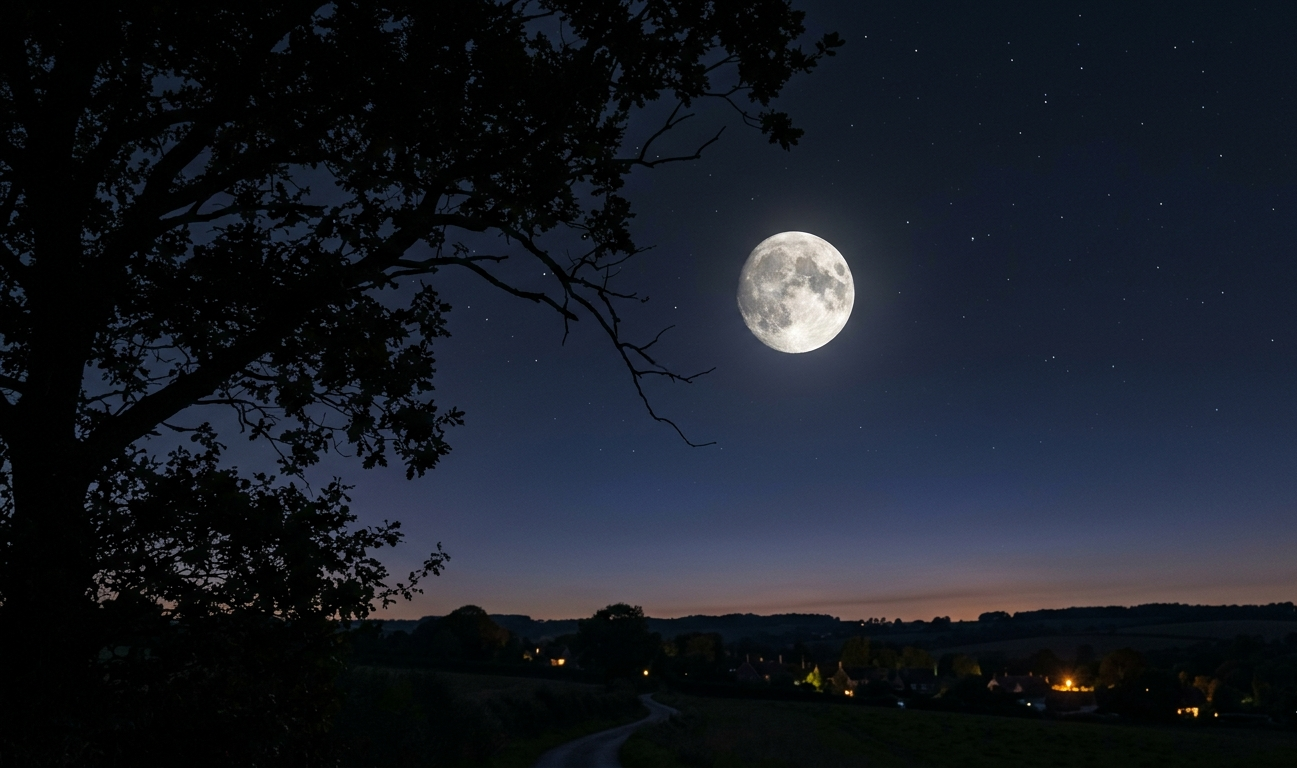
The Moon has fascinated humanity for thousands of years. Whether you’re an astronomy enthusiast, a casual skywatcher, or someone simply curious about what is happening in the night sky, the phrase “moon tonight“ often sparks interest. Every evening, the Moon presents a slightly different appearance, making it one of the most dynamic and captivating objects visible from Earth.
People frequently search for information about the moon tonight because they want to know its current phase, brightness, visibility, and position in the sky. Some are planning a stargazing session, while others are hoping to capture beautiful moon photographs. Regardless of the reason, understanding the Moon’s nightly appearance can make your experience of observing it much more meaningful. People are searching more about moon tonight currently.
The Moon is more than just a glowing object in the darkness. It influences tides, affects natural cycles, and serves as a constant reminder of our connection to the larger universe. In this article, we will explore everything you should know about the moon tonight, including its phases, visibility, observation tips, and the reasons it continues to inspire people around the world.
Why the Moon Looks Different Every Night
One of the most fascinating aspects of the Moon is that it never appears exactly the same from one night to the next. This constant change is caused by the Moon’s orbit around Earth. As it travels through space, different portions of its sunlit surface become visible to observers on Earth.
The Moon completes a full lunar cycle approximately every 29.5 days. During this period, it transitions through various phases, including the new moon, waxing crescent, first quarter, waxing gibbous, full moon, waning gibbous, last quarter, and waning crescent. Each phase offers a unique visual experience for skywatchers.
When people search for the moon tonight, they are often interested in identifying the current lunar phase. Knowing the phase can help explain why the Moon appears larger, brighter, thinner, or less visible than it did just a few days earlier. These gradual changes create a natural rhythm that has fascinated humans throughout history.
The Moon’s position in the sky also changes nightly. Depending on the phase and your location, it may rise shortly after sunset, appear high overhead, or emerge later during the night. This movement contributes to the ever-changing beauty of the lunar experience.
Understanding the Current Moon Phase Tonight
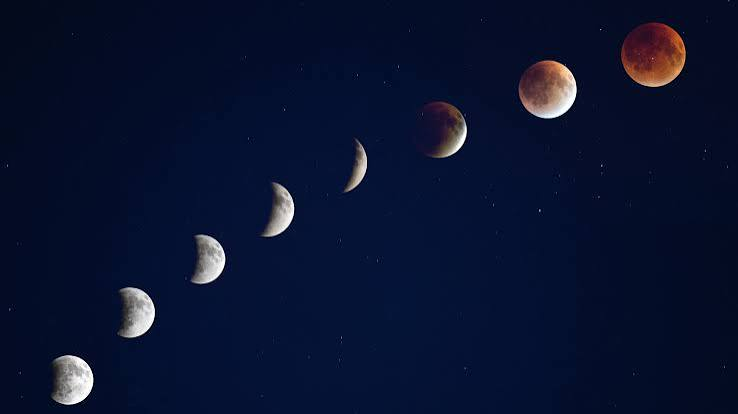
The lunar phase is one of the first things people want to know when observing the moon tonight. The phase determines how much of the Moon’s illuminated surface is visible from Earth and significantly affects its appearance.
A new moon occurs when the Moon is positioned between Earth and the Sun. During this phase, the illuminated side faces away from us, making the Moon difficult or impossible to see. As the days pass, a thin crescent begins to appear, marking the start of a new lunar cycle.
As the Moon continues its orbit, it progresses through quarter and gibbous phases before reaching the full moon. During a full moon, the entire sunlit side faces Earth, creating the bright and familiar circular shape that many people recognize instantly. Full moons are often the most popular time for moon observation and photography.
Following the full moon, the illuminated portion gradually decreases as the Moon enters its waning phases. These stages can be just as beautiful as the waxing phases and provide excellent opportunities for observing lunar features with binoculars or telescopes.
Understanding the current phase helps skywatchers appreciate why the moon tonight looks the way it does and enhances the overall viewing experience.
The Best Ways to Observe the Moon Tonight
Observing the Moon is one of the easiest and most rewarding astronomical activities available. Unlike many celestial objects, the Moon is bright enough to be seen without specialized equipment, making it accessible to virtually everyone.
The simplest way to enjoy the moon tonight is to find a location with a clear view of the sky. While urban areas can still provide good lunar views, locations with minimal light pollution often offer a more impressive experience. Open fields, parks, and elevated viewpoints can enhance visibility.
Binoculars provide an excellent introduction to lunar observation. Even basic binoculars can reveal craters, mountain ranges, and dark plains known as maria. These features add depth and texture to the Moon’s surface, transforming it from a bright disk into a fascinating world of geological detail.
For those seeking a more immersive experience, telescopes offer remarkable views of the lunar landscape. Observing the Moon through a telescope allows viewers to examine crater walls, shadowed valleys, and other intricate features that are invisible to the naked eye.
Timing is also important. While the full moon is visually stunning, many astronomers prefer observing during crescent or quarter phases because shadows create greater contrast, making surface features easier to distinguish. Moon tonight is trending currently.
Why the Moon Tonight Appears Different Around the World
The Moon is visible from many parts of Earth simultaneously, but its appearance can vary depending on location. Factors such as geographic position, atmospheric conditions, and viewing angle all influence how the Moon looks to observers.
People living in different hemispheres may perceive the orientation of the Moon differently. For example, observers in the Northern Hemisphere often see lunar features positioned differently than observers in the Southern Hemisphere. This variation occurs because viewers are observing the Moon from different perspectives on Earth’s surface.
Atmospheric conditions also play a significant role. Clouds, humidity, pollution, and temperature variations can affect visibility and clarity. A Moon that appears crisp and bright in one location may seem hazy or distorted in another.
The famous “Moon illusion” is another interesting phenomenon. When the Moon appears near the horizon, it often looks much larger than when it is higher in the sky. Although its actual size remains unchanged, the human brain interprets the Moon differently based on surrounding visual references.
These factors make every observation of the moon tonight unique, even though people around the world are looking at the same celestial object.
The Cultural and Historical Significance of the Moon
The Moon has played an important role in human civilization for thousands of years. Long before modern astronomy existed, people observed lunar cycles to track time, organize agricultural activities, and develop calendars.
Ancient cultures across the globe incorporated the Moon into mythology, religion, and folklore. Many civilizations believed the Moon possessed spiritual significance and associated it with deities, natural forces, and seasonal changes. These beliefs influenced traditions that continue in various forms today.
The Moon has also inspired countless works of art, literature, and music. Poets have written about its beauty, painters have captured its glow on canvas, and musicians have referenced it in songs that resonate across generations. Its presence in creative expression demonstrates the deep emotional connection people feel toward Earth’s natural satellite.
Modern science has only increased our appreciation for the Moon. Human missions to the lunar surface transformed it from a distant object of curiosity into a destination that humanity has physically explored. Today, the Moon remains a symbol of discovery, exploration, and the limitless possibilities of scientific achievement.
When people look at the moon tonight, they are participating in a tradition that spans thousands of years and connects cultures across time and geography.
Tips for Photographing the Moon Tonight
Capturing stunning moon photographs has become increasingly popular thanks to advancements in smartphone and camera technology. However, photographing the Moon successfully requires some preparation and understanding of basic techniques.
One common mistake is relying solely on automatic camera settings. Because the Moon is extremely bright compared to the surrounding sky, automatic exposure often results in overexposed images that lack detail. Adjusting exposure settings manually can significantly improve image quality.
Using a tripod is highly recommended. Even minor camera movement can reduce image sharpness, especially when zooming in on lunar details. A stable setup helps capture clearer and more professional-looking photographs.
Zoom lenses or smartphone telephoto capabilities can reveal additional surface features. While high-end equipment provides the best results, modern smartphones are increasingly capable of producing impressive lunar images when used correctly.
Patience is another essential factor. Atmospheric conditions can change rapidly, affecting image clarity. Taking multiple photos and experimenting with different settings often leads to better outcomes and a more rewarding photography experience.
What Makes the Moon Tonight So Fascinating?
The Moon remains one of the most accessible wonders of the natural world. Unlike distant planets or galaxies that require specialized equipment to observe, the Moon is visible to nearly everyone and offers a constantly changing display of beauty.
Its phases create a predictable yet endlessly interesting cycle that encourages repeated observation. Every night presents a slightly different view, giving people a reason to look up and reconnect with the night sky.
Scientific discoveries continue to reveal new information about the Moon’s history, composition, and potential role in future space exploration. As interest in lunar missions grows, public fascination with the Moon is likely to increase even further.
At the same time, the Moon retains a sense of mystery and wonder that transcends scientific explanation. Its glow has inspired curiosity, creativity, and reflection throughout human history, making it one of the most beloved objects in the sky.
Conclusion
The moon tonight is far more than a bright object illuminating the darkness. It is a constantly changing celestial companion that offers beauty, scientific intrigue, cultural significance, and endless opportunities for exploration. Whether you are observing with your eyes, binoculars, a telescope, or a camera, each encounter with the Moon provides a unique experience.
By understanding lunar phases, observation techniques, and the Moon’s broader significance, you can gain a deeper appreciation for what you see in the night sky. The next time you step outside and glance upward, take a moment to enjoy the moon tonight and remember that you are observing one of nature’s most extraordinary and enduring wonders.
You May Also Read: Quizziz

