


Navigating the shifting landscape of contemporary self-expression often leads curious minds toward unique, multi-layered cultural concepts. When you encounter the term jememôtre in creative design and art discussions, you are not just looking at a passing internet fad or a slick marketing buzzword. You are looking at a deeply rooted movement that skillfully merges historical identity with clean, modern aesthetics. Emerging from specialized, tight-knit artisan communities as a pure form of personal narrative, this practice has quietly evolved into a massive statement on individuality. Unpacking what this movement represents requires looking closely at its technical origins, its material philosophy, and why it resonates so heavily with audiences searching for authentic design elements today.
The global expansion of independent creator networks and highly curated lifestyle blogs means that appreciating a concept like jememôtre is more accessible than ever before. Whether you are an interior stylist wanting to incorporate its minimalist structural patterns into a new room layout, or a fashion enthusiast drawn to its bold, storytelling textiles, understanding its foundational pillars changes how you view artisanal craft. A truly elite execution relies entirely on spatial awareness, raw material integrity, and an intentional rejection of cluttered mass production. Let us dive into the historical transformation of this iconic trend, break down its core characteristics, and explore how you can integrate its distinct design philosophy into your daily life.
The Historical Evolution and Foundations of Jememôtre
To understand why this movement holds such an authoritative grip on contemporary design, we have to look back at how it originally surfaced. Long before it caught the attention of mainstream style circles, jememôtre functioned as a highly localized medium for community storytelling and preservation. Early craftspeople deliberately bypassed mass manufacturing techniques, choosing instead to manipulate raw, locally sourced materials by hand to create deeply personal, functional pieces of art. Every single pattern woven or carved into these early pieces carried specific cultural symbols, serving as a physical canvas that documented significant life events, lineages, and regional identities. This intense focus on narrative-driven creation laid the groundwork for the premium value placed on the movement today.
As global trade routes expanded and distinct creative subcultures began interacting with neighboring artistic traditions, jememôtre went through a major structural renaissance. The introduction of new dyeing methods, intricate geometric layouts, and varied raw textures enriched its baseline heritage without compromising its core message of authentic self-expression. In the current landscape, the subtle integration of advanced production technology has given creators the freedom to experiment with complex visual scales and bold, contrasting finishes. Yet, even with these modern updates, the underlying soul of the movement remains completely intact, acting as a direct rebellion against the cold, uninspired nature of fast-paced consumer goods.
Core Pillars of the Minimalist Jememôtre Aesthetic
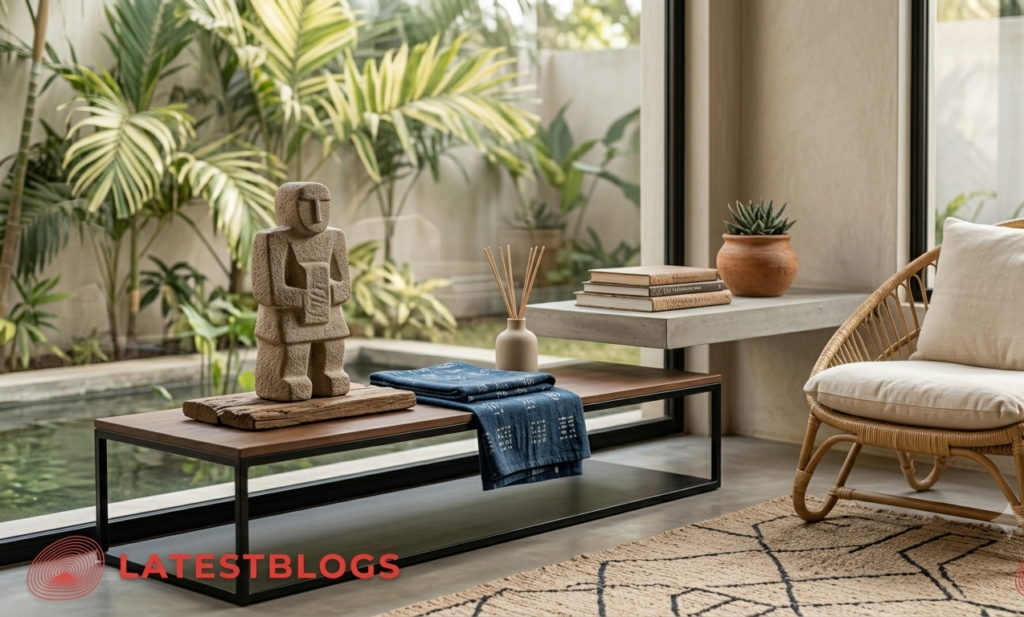
Bringing this specific design philosophy into a physical space or a curated collection requires a deep appreciation for negative space and structural restraint. A common mistake many casual decorators make when experimenting with jememôtre is treating it like an eclectically cluttered collage. In reality, the true essence of this style relies on a “less is more” mindset where every single object is given ample room to breathe. The visual weight of a room or an outfit should be balanced by clean, unbroken lines and a neutral, unifying color profile that lets the inherent texture of the materials do the heavy lifting. Think of textured plaster walls, smooth concrete surfaces, or matte-finished ceramics acting as a calm backdrop for a singular, intricately crafted statement piece.
Beyond the physical layout, lighting plays an indispensable role in unlocking the atmospheric depth of jememôtre designs. Natural, diffused sunlight moving across a room highlights the subtle imperfections and organic ridges of handcrafted furniture, changing the mood of the space continuously throughout the day. When sourcing elements for your home or studio, look for items that highlight raw structural honesty—such as exposed joinery on a wooden table or the coarse, visible grain of unbleached linen drapes. By eliminating loud, distracting commercial patterns and focusing heavily on sensory touchpoints, you instantly create an environment that feels grounded, intentional, and thoroughly sophisticated.
Practical Ways to Integrate This Movement into Your Home
Transforming a standard living space into a refined sanctuary inspired by jememôtre does not mean you have to execute a costly, top-to-bottom renovation. The most effective approach is to start small by auditing your current rooms and systematically removing unnecessary clutter that disrupts visual harmony. Replace mass-produced plastic organizers or synthetic decorative trinkets with a few carefully selected artisan vessels made from volcanic stone, terracotta, or brushed brass. These small, tactile changes introduce an immediate sense of weight and historical depth to open shelving units, mantels, and entryway consoles without overcrowding the sightlines of your home.
Another seamless integration method focuses on textile curation across your main living and sleeping quarters. Introduce oversized, heavily textured throw blankets, low-profile floor cushions, and hand-loomed area rugs featuring abstract, structural block patterns that echo the geometric roots of the movement. Keep your primary furniture selections low to the ground—such as platform bed frames and deep-set, armless sofas—to emphasize vertical spatial freedom and create a relaxed, welcoming atmosphere. When you arrange your rooms with this level of deliberate focus, your home stops feeling like a random collection of furniture and starts feeling like an authentic extension of your personal philosophy.
Why Modern Audiences are Rallies Behind Slow Craft
The massive resurgence of interest in jememôtre among younger generations of collectors is a direct cultural reaction to the exhaustion caused by hyper-digital lifestyles. In a world where digital screens and fleeting internet trends dominate our daily attention, people are actively starving for physical objects that possess genuine weight, texture, and permanence. Investing in an artisanal piece that takes weeks of dedicated manual labor to complete offers a refreshing sense of grounding and reality. It allows consumers to establish a meaningful connection with the creator, turning a simple purchase into a long-term act of cultural appreciation and environmental sustainability.
Furthermore, this movement perfectly aligns with the growing global demand for ethical, transparent production pipelines. Because traditional jememôtre practices lean heavily on small-batch manufacturing and locally sourced, biodegradable components, its ecological footprint is remarkably low compared to conventional lifestyle brands. Discerning buyers are increasingly willing to pay a premium for custom lifestyle items because they know the piece will outlive temporary design trends, gracefully aging and developing a beautiful natural patina over decades of use. This shift from disposable consumption to conscious, generational ownership is exactly what ensures the movement will continue thriving far into the future.
Frequently Asked Questions
How can I distinguish true jememôtre from cheap commercial replicas?
Authentic pieces are defined by their structural imperfections, material weight, and tactile honesty. If an item looks perfectly uniform, features flawless machine-stamped patterns, or utilizes lightweight synthetic materials masquerading as stone or wood, it is likely a mass-produced replica. Look for visible artisan tool marks, rich variations in wood grain, and documentation detailing the specific community or creator behind the piece.
Does adopting this style require a completely neutral color palette?
While a foundational backdrop of warm neutrals, muted creams, and deep charcoals is standard for this aesthetic, you are absolutely not limited to a monochrome environment. The modern interpretation of this style encourages the strategic use of rich, deep earth tones—such as burnt umber, raw sienna, and oxidized indigo—applied intentionally through single accent pieces, textile trims, or artwork to create striking visual contrast. Jememôtre is what people are curious to know about and therefore, Jememôtre has been searched a lot.
What is the best way to clean and maintain handcrafted raw materials?
Because these items favor natural, unrefined finishes over heavy synthetic chemical sealants, they require gentle care to preserve their texture over time. Dust raw wood and stone elements regularly using a dry, microfiber cloth, and avoid using abrasive commercial chemical cleaners that can strip away natural oils. For organic textiles like linen or wool, opt for spot cleaning with mild, plant-based soaps and air-drying to keep the fibers strong.
You May Also Read: Ensalada Criolla Near Me

