


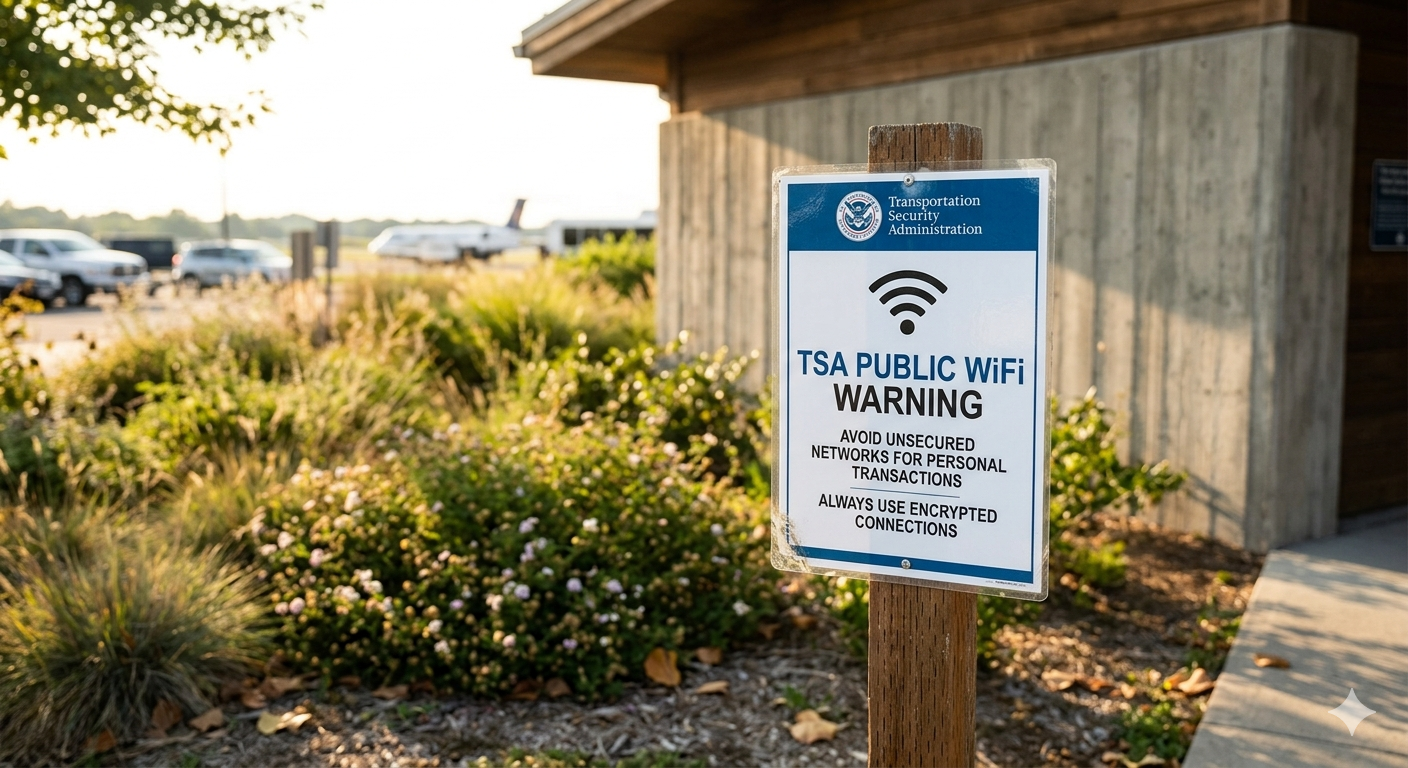
Traveling today is almost impossible without internet access. Whether it’s checking flight updates, replying to work emails, streaming music, or posting travel photos online, people naturally connect to public WiFi the moment they arrive at an airport. It feels convenient, fast, and completely harmless. However, recent warnings related to airport cybersecurity have made travelers rethink how safe public internet networks really are. The keyword “TSA public WiFi warning” has gained attention because more travelers are becoming aware of the risks hidden behind free airport internet connections.
The Transportation Security Administration, commonly known as the TSA, has repeatedly encouraged travelers to stay cautious when using TSA Public WiFi Warning at airports and transportation hubs. While free internet may seem like a simple convenience, cybersecurity experts continue to warn that unsecured networks can expose personal information to hackers. Many people assume cybercriminals only target big companies or wealthy individuals, but the reality is much different. Everyday travelers are often easier targets because they tend to let their guard down while traveling.
Airport environments are already stressful. People are distracted, rushing to gates, charging devices, handling passports, and managing luggage all at once. Hackers understand this perfectly. That is why airports have become one of the most attractive locations for cybercrime activities involving fake WiFi networks, data theft, and phishing scams. Understanding the TSA public WiFi warning is no longer optional for frequent travelers. It has become an important part of modern travel safety.
Why the TSA Warns Travelers About Public WiFi / TSA Public WiFi Warning
The TSA’s concern about public WiFi mainly comes down to cybersecurity vulnerabilities. Public internet networks are often not encrypted properly, which means hackers may intercept the information users send or receive while connected. This includes passwords, banking details, email logins, and even personal identity information. Travelers frequently access sensitive accounts while waiting for flights, making airports ideal hunting grounds for cybercriminals.
One major issue involves fake WiFi hotspots. Hackers can create wireless networks with names that look almost identical to legitimate airport WiFi services. For example, instead of “Airport_Free_WiFi,” a fake network may appear as “AirportFreeWiFi” or “Airport Guest.” Most travelers connect without thinking twice because they assume all visible airport networks are official. Once connected, hackers can monitor online activity or redirect users to fake login pages designed to steal information.
Another reason behind the TSA public WiFi warning is the increase in mobile device attacks. Smartphones, tablets, and laptops constantly search for nearby connections. Many devices automatically reconnect to networks they previously joined. Cybercriminals can exploit this behavior by creating rogue hotspots that trick devices into connecting automatically. This type of attack often happens silently, meaning users may never realize their information has been compromised.
How Hackers Exploit Airport WiFi Networks
Cybercriminals use several sophisticated methods to exploit public WiFi users at airports. One of the most common techniques is called a “man-in-the-middle” attack. In this setup, hackers secretly position themselves between the user and the internet connection. This allows them to intercept data being transmitted without the user noticing anything unusual. Login credentials, credit card numbers, and confidential messages can all become exposed during these attacks. TSA Public WiFi Warning.
Another popular tactic involves fake captive portals. When travelers connect to airport WiFi, they often encounter a login page asking them to accept terms or enter basic information. Hackers create counterfeit versions of these pages to collect email addresses, passwords, or payment details. Because the pages look professional and familiar, many people willingly submit their information without suspicion.
Malware distribution is another growing concern. Some cybercriminals use unsecured networks to inject malicious software into connected devices. Once installed, malware may steal files, track keystrokes, or even lock devices through ransomware attacks. Travelers carrying business laptops or work devices face even greater risks because company data could also become compromised through a simple airport WiFi connection.
The danger increases because airports attract international travelers from all over the world. This creates a massive pool of potential victims every single day. Busy transportation hubs provide hackers with anonymity, high traffic, and countless opportunities to target distracted users.
The Biggest Mistakes Travelers Make on TSA Public WiFi Warning
One of the biggest mistakes travelers make is assuming public WiFi is automatically secure because it is offered at a reputable airport. People tend to trust airports more than coffee shops or malls, but public networks remain vulnerable regardless of location. A professional-looking environment does not guarantee digital safety.
Another major mistake is logging into financial accounts while connected to public internet. Checking banking apps, making online purchases, or entering credit card information over unsecured networks dramatically increases the chances of data theft. Even secure-looking websites can become risky if the connection itself is compromised.
Many travelers also ignore software updates while traveling. Outdated operating systems and apps often contain security vulnerabilities that hackers actively target. Devices missing recent updates become much easier to exploit through malicious WiFi attacks. Unfortunately, travelers sometimes delay updates to save time or avoid interruptions before flights. TSA Public WiFi Warning.
Weak passwords also contribute to cybersecurity problems during travel. Using simple passwords or repeating the same password across multiple accounts creates a dangerous situation if one login becomes exposed. Hackers frequently test stolen credentials across various platforms, which means a compromised email password could eventually lead to access to banking, social media, or work accounts.
Smart Ways to Stay Safe While Traveling
The safest approach is avoiding public WiFi entirely whenever possible. Using mobile data through a personal hotspot provides much stronger protection than open airport networks. Cellular connections are generally more secure because they use encrypted communication channels that are harder for hackers to intercept.
For travelers who must use public WiFi, a VPN, or Virtual Private Network, is one of the best security tools available. A VPN encrypts internet traffic, making it significantly harder for hackers to monitor online activity. Even if someone intercepts the connection, encrypted data becomes much more difficult to read or exploit.
Travelers should also verify official WiFi network names before connecting. Airport staff or official airport websites usually provide the correct network details. Taking a few extra seconds to confirm the legitimate connection can prevent major security problems later.
Two-factor authentication adds another layer of protection for online accounts. Even if hackers steal a password, they would still need a secondary verification code to access the account. This security feature can dramatically reduce the risk of unauthorized access during travel.
Keeping devices updated is equally important. Software updates often include critical security patches designed to protect against newly discovered cyber threats. Enabling automatic updates helps ensure devices remain protected without requiring constant manual attention.
Why Cybersecurity Matters More Than Ever for Travelers
The TSA public WiFi warning reflects a larger reality about modern travel. Digital security has become just as important as physical safety during trips. Years ago, travelers mainly worried about losing luggage or missing flights. Today, protecting personal data is equally critical because cybercrime continues growing rapidly across the world.
Business travelers face especially serious risks because compromised devices may expose confidential company information. A single insecure airport connection could potentially lead to corporate data breaches, financial losses, or identity theft. Remote work trends have made this issue even more significant because people increasingly carry sensitive work data while traveling.
Social media usage also contributes to cybersecurity vulnerabilities. Many travelers immediately post updates, photos, or location check-ins while connected to public networks. Oversharing travel details online can create additional privacy risks, especially when combined with insecure internet connections.
Hackers no longer fit the old stereotype of lone individuals working in dark rooms. Many cybercrime operations are highly organized, financially motivated, and technologically advanced. Public WiFi networks remain attractive targets because they provide easy access to large numbers of potential victims in a short period of time.
Final Thoughts on the TSA Public WiFi Warning
The TSA public WiFi warning serves as an important reminder that convenience should never come at the expense of security. Free airport internet may seem harmless, but unsecured networks can expose travelers to serious cybersecurity threats ranging from identity theft to financial fraud. Most people never expect a simple WiFi connection to create major problems, which is exactly why hackers continue exploiting public networks successfully.
Modern travelers need to approach airport WiFi with the same caution they use for physical belongings like passports or wallets. Cybersecurity awareness is no longer only for tech experts. Basic digital safety habits can make a huge difference in protecting personal information during travel.
Using mobile hotspots, enabling VPNs, verifying official networks, updating devices, and avoiding sensitive transactions on public WiFi are all simple but powerful steps. These precautions may seem minor, but they greatly reduce the chances of becoming a cybercrime victim while traveling.
As airports become increasingly connected and digital travel tools continue evolving, cybersecurity threats will likely continue growing as well. The best defense is staying informed, alert, and cautious every time you connect to a public network. Travelers who take the TSA public WiFi warning seriously can enjoy safer and more secure journeys in an increasingly digital world.
You May Also Read: Japan Startup News Today

