


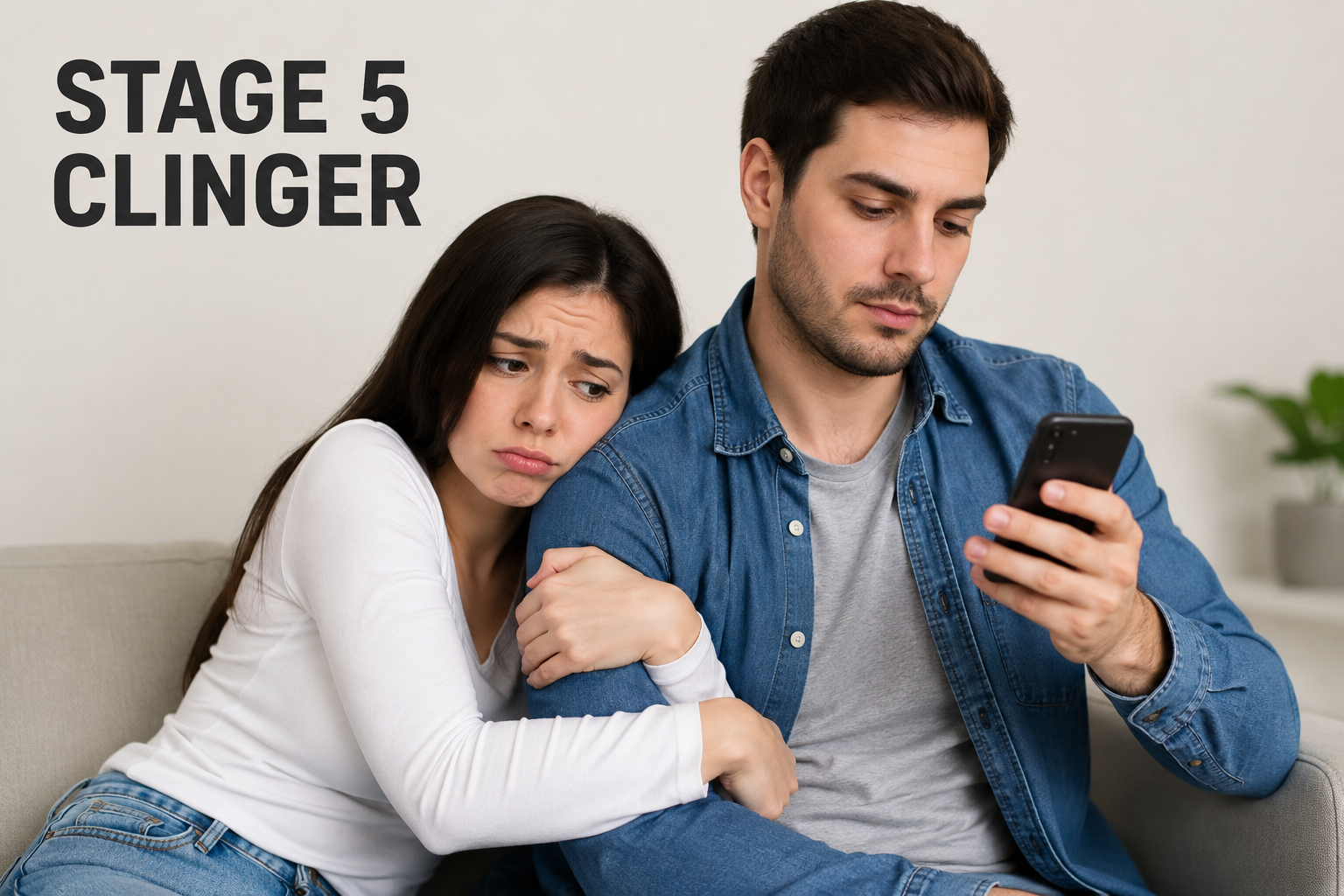
Introduction
The term “stage 5 clinger” has become one of the most recognizable phrases in modern dating culture and internet slang. It is often used to describe someone who becomes emotionally attached too quickly in a relationship and struggles to give the other person personal space. While the phrase is usually used humorously, the behavior behind it can sometimes create real challenges in dating, friendships, and relationships.
Most people have either encountered a stage 5 clinger or worried at some point that they might appear too clingy themselves. In today’s world of texting, social media, and constant communication, relationship boundaries can become blurred very quickly. What one person sees as affection and attention may feel overwhelming to someone else.
Interestingly, the phrase has remained popular because it captures a very real social dynamic. Human beings naturally crave connection, validation, and emotional security. However, when attachment becomes excessive or unbalanced, relationships can start feeling emotionally exhausting rather than healthy and supportive.
What Does Stage 5 Clinger Mean?
A stage 5 clinger is generally described as someone who becomes intensely attached in a relationship very quickly. They may constantly seek attention, reassurance, communication, or emotional closeness from another person. The term is often used jokingly, but it usually refers to behavior that feels overly dependent or emotionally overwhelming.
The phrase became widely popular through internet culture and comedy references. Over time, it evolved into a common dating expression used on social media, memes, and relationship discussions. Although it sounds exaggerated, many people instantly recognize the type of behavior being described.
A stage 5 clinger is not always trying to be controlling or manipulative. In many cases, the behavior comes from insecurity, fear of abandonment, loneliness, or emotional attachment issues. That is why understanding the psychology behind clinginess is important before judging someone too harshly.
Common Signs of a Stage 5 Clinger
One of the biggest signs is constant communication. A stage 5 clinger may text repeatedly, expect immediate replies, or become anxious when messages are not answered quickly. Even short periods of silence can create emotional stress for them.
Another common sign is excessive emotional dependence. Instead of maintaining healthy independence, they may rely heavily on one person for validation, comfort, and happiness. This can create pressure within the relationship because the emotional balance becomes uneven.
Jealousy and overthinking also frequently appear in clingy behavior. Small things like delayed responses, canceled plans, or social media activity may trigger insecurity. The person may begin seeking reassurance constantly, which can eventually become emotionally draining for the other partner.
Why People Become Clingy in Relationships
Clinginess often develops from emotional insecurity rather than bad intentions. Many people who display clingy behavior simply fear losing someone they care about. Their attachment style may cause them to seek constant reassurance and closeness to feel emotionally safe.
Childhood experiences can also influence relationship behavior later in life. People who experienced inconsistent affection, emotional neglect, or abandonment during childhood sometimes develop anxious attachment patterns as adults. These patterns can lead to fear of rejection and emotional dependency in romantic relationships.
Modern technology has also intensified clingy behavior in some cases. Social media and instant messaging make constant communication possible, which can increase emotional dependency. People may begin expecting nonstop interaction because digital platforms make others constantly accessible.
The Difference Between Love and Clinginess
One important thing to understand is that affection and clinginess are not the same thing. Healthy relationships involve emotional closeness, communication, and support. Wanting attention from someone you care about is perfectly normal.
The difference usually comes down to balance and boundaries. Love allows both people to maintain individuality, independence, and personal space. Clinginess, however, often creates emotional pressure because one person becomes overly dependent on the relationship for stability.
Healthy love feels supportive and comfortable, while clinginess can sometimes feel emotionally overwhelming. Relationships work best when both individuals have their own identities, friendships, hobbies, and emotional independence outside the relationship itself.
How Stage 5 Clinger Behavior Affects Relationships
At first, clingy behavior may seem flattering because it shows strong interest and emotional investment. Some people enjoy receiving constant attention in the early stages of dating. However, over time, excessive attachment can create emotional exhaustion.
One major issue is loss of personal space. Healthy relationships require room for individual growth and independence. When one partner constantly demands attention or reassurance, the other person may begin feeling trapped or emotionally pressured.
Clinginess can also create imbalance in communication and emotional effort. One person may feel responsible for managing the other’s emotions constantly. This can eventually lead to frustration, distance, or even relationship breakdowns if boundaries are not established.
Social Media and Modern Dating Culture
Social media has dramatically changed relationship dynamics. People now have instant access to each other’s online activity, which can increase anxiety and overthinking. A stage 5 clinger may obsess over things like online status, story views, likes, or delayed replies.
Dating apps and texting culture have also created unrealistic expectations about communication frequency. Some people now expect immediate responses throughout the day, which was not possible in previous generations.
At the same time, social media can amplify insecurity by encouraging comparison. Seeing partners interact with other people online may trigger jealousy or fear of rejection. This constant digital visibility often intensifies clingy tendencies in emotionally vulnerable individuals.
Can a Stage 5 Clinger Change?
Yes, clingy behavior can absolutely improve with self-awareness and emotional growth. Many people who recognize their unhealthy attachment patterns are capable of building healthier relationship habits over time.
One of the most important steps is developing self-confidence and emotional independence. When people feel secure within themselves, they rely less on constant reassurance from others. Building hobbies, friendships, and personal goals outside the relationship can help create balance.
Communication also plays a huge role. Honest discussions about boundaries, emotional needs, and expectations can prevent misunderstandings. Relationships become healthier when both partners understand each other’s communication styles and comfort levels.
How to Deal With a Stage 5 Clinger
If you are dealing with someone who shows clingy behavior, patience and clear communication are important. Mocking or humiliating them usually makes insecurity worse rather than solving the problem.
Setting healthy boundaries is essential. This means calmly communicating your need for personal time, space, or independent activities without making the other person feel rejected. Clear boundaries help create emotional balance within the relationship.
It is also important to avoid unintentionally encouraging unhealthy dependency. Constant reassurance without boundaries may temporarily calm anxiety but can reinforce clingy behavior long-term. A healthy relationship should support emotional security while still maintaining independence.
What If You Think You Are the Clinger?
Many people eventually realize they may have clingy tendencies themselves, especially after experiencing relationship anxiety or emotional attachment issues. Recognizing the behavior is actually a positive first step because self-awareness allows growth.
One helpful strategy is learning to tolerate uncertainty. Relationships naturally involve moments where communication slows down or plans change. Developing emotional stability during those moments reduces the urge to seek constant reassurance.
Focusing on personal fulfillment outside relationships also helps tremendously. Investing time into hobbies, fitness, career goals, friendships, and self-development creates a stronger sense of identity and confidence.
Pop Culture and the Humor Behind the Phrase
The term “stage 5 clinger” became popular largely because it is often used humorously in movies, memes, and internet jokes. Many people laugh at exaggerated examples of overly attached relationship behavior because it feels relatable.
Pop culture has turned clinginess into a recognizable stereotype. Characters in movies and TV shows often represent exaggerated emotional attachment for comedic effect. Social media memes continue keeping the phrase alive in modern dating conversations.
However, beneath the humor, the topic reflects genuine emotional experiences many people face. Fear of rejection, loneliness, insecurity, and attachment issues are very human emotions. That is why the phrase continues resonating with so many people online.
Building Healthier Relationship Habits
Healthy relationships depend on trust, communication, independence, and emotional balance. Both people should feel secure without needing constant validation every moment of the day.
Developing emotional maturity is one of the best ways to avoid clingy behavior. This includes respecting boundaries, managing anxiety independently, and understanding that healthy love does not require nonstop reassurance.
Strong relationships are built on partnership rather than emotional dependency. When both individuals maintain their own lives while supporting each other emotionally, the relationship becomes more stable, enjoyable, and sustainable long-term.
Conclusion
The phrase “stage 5 clinger” may sound funny, but it reflects real relationship dynamics that many people experience at some point in life. Clingy behavior often comes from insecurity, emotional attachment, or fear of abandonment rather than bad intentions.
Understanding the psychology behind clinginess helps create more empathy and healthier communication within relationships. While excessive emotional dependence can create stress, it is also something many people can improve through self-awareness, confidence-building, and better emotional balance.
In modern dating culture, where communication happens constantly through phones and social media, maintaining healthy boundaries has become more important than ever. The strongest relationships are not built on obsession or constant reassurance but on trust, independence, respect, and genuine emotional connection.
You May Also Read: Elliot Grainge Net Worth

