


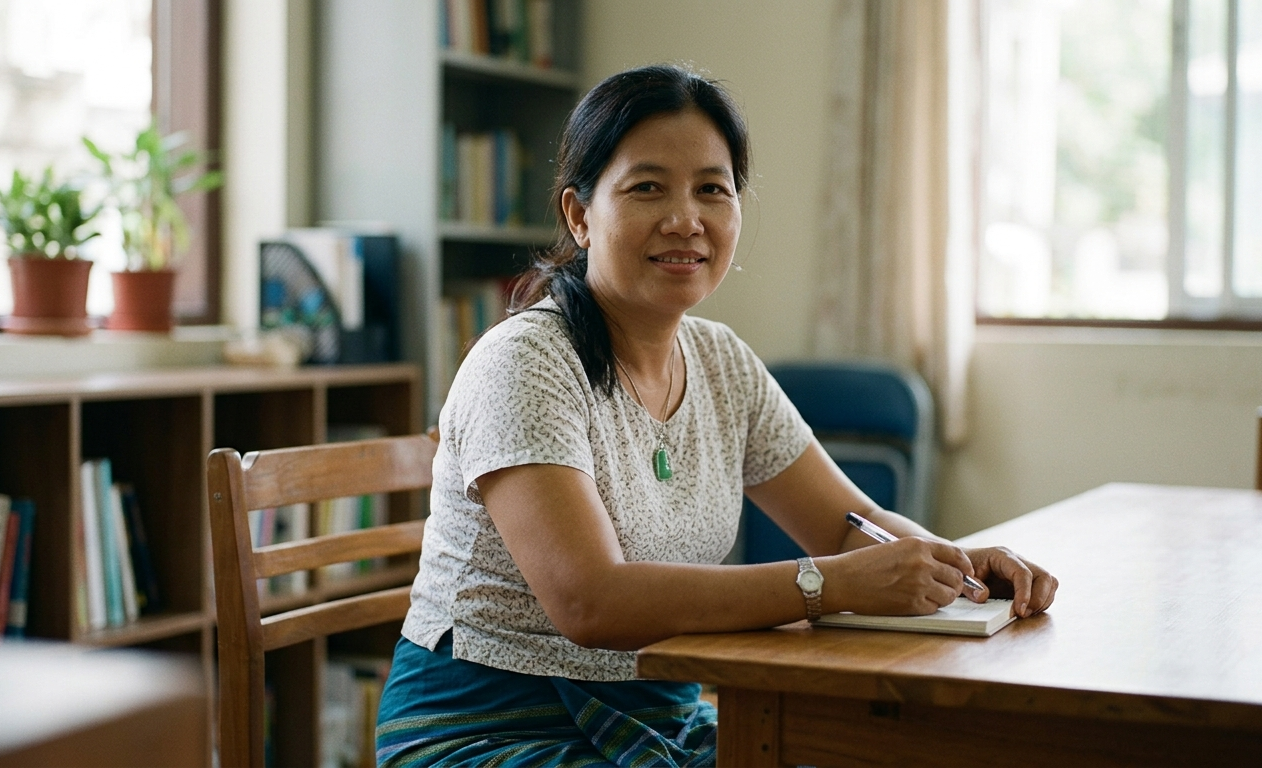
In a world where public attention often focuses on celebrities and media personalities, the stories of the people who helped shape them are sometimes overlooked. One such person is Tin Swe Thant, a woman whose journey from Myanmar to the United States reflects resilience, cultural pride, and determination. While many people recognize journalist and television host Alex Wagner, fewer know about the remarkable woman who influenced her upbringing and worldview.
Her life is a fascinating example of how cultural heritage, education, and family values can leave a lasting impact across generations. Her story goes beyond simply being the mother of a well-known journalist. It is a story of immigration, identity, adaptation, and preserving traditions while embracing new opportunities.
As interest in family histories and multicultural backgrounds continues to grow, many people are searching for information about Tin Swe Thant and her role in shaping one of America’s most recognized media personalities. This article explores her background, family life, cultural influence, and the legacy she continues to leave behind.
Who Is Tin Swe Thant?
She is best known as the mother of journalist and television personality Alex Wagner. Born in Yangon, formerly known as Rangoon, in Myanmar (formerly Burma), she later immigrated to the United States, where she built a new life while maintaining strong ties to her cultural roots.
Unlike many individuals connected to public figures, She has largely remained outside the spotlight. She has preferred a private life focused on family, education, and preserving her heritage. Despite her low public profile, her influence can be seen in the values and perspectives embraced by her daughter throughout her career.
Her story resonates with many immigrant families who have balanced the challenges of adapting to a new country while preserving their cultural identity. This combination of resilience and adaptability remains one of the most compelling aspects of her life.
Early Life in Myanmar
She was born and raised in Yangon during a period of significant social and political change. Myanmar was navigating its post-colonial identity, and many young people of her generation experienced a blend of traditional Burmese culture and lingering Western influences.
Growing up in this environment helped shape her understanding of both cultural heritage and social change. Like many Burmese families, education played an important role in daily life. Respect for family, community, and learning formed the foundation of her upbringing.
These early experiences would later influence how she approached life in America. The values she developed during her childhood remained important even after she relocated thousands of miles away from her homeland.
The Journey to America
Moving to a new country is never easy, especially when it involves adapting to a different culture, language, and way of life. Her decision to move to the United States represented a major turning point in her life. Like many immigrants, she pursued opportunities that would allow her to build a brighter future while maintaining her cultural identity.
The transition required resilience and determination. New immigrants often face challenges related to education, employment, and social integration. Despite these obstacles, She successfully established herself in her adopted country while remaining connected to her Burmese heritage.
Her journey reflects the experiences of countless immigrants who leave familiar surroundings behind in search of opportunity and growth. It is a story of courage that continues to inspire many people today.
Education and Academic Achievement
Education has been a recurring theme throughout Tin Swe Thant’s life. After arriving in the United States, she attended Swarthmore College, one of the nation’s respected liberal arts institutions. Her academic pursuits reflected a commitment to personal growth and intellectual development.
College provided more than just academic opportunities. It also became the place where she encountered people from different backgrounds and expanded her understanding of American society. These experiences contributed to her ability to navigate multiple cultural identities successfully.
Her educational achievements also reinforced values that would later influence her family. The emphasis on learning, curiosity, and critical thinking became important themes within the household she would eventually build.
Meeting Carl Wagner and Building a Family
One of the most significant chapters in Tin Swe Thant’s life began when she met Carl Wagner while attending college. Their relationship brought together two individuals from very different cultural backgrounds, creating a family environment that celebrated diversity and mutual respect.
Carl Wagner was a respected political consultant who played an active role in American politics. Together, the couple established a home that blended Burmese traditions with American values. This multicultural environment would become an important influence on their daughter, Alex Wagner.
Their marriage demonstrated how cultural differences can enrich family life rather than divide it. Through shared experiences and mutual understanding, they created a strong foundation that supported future generations.
Raising Alex Wagner in a Multicultural Household
Perhaps one of Tin Swe Thant’s most visible influences can be seen in the upbringing of her daughter, Alex Wagner. Growing up in a household that combined Burmese and American traditions gave Alex a unique perspective on identity, culture, and belonging.
Multicultural families often provide children with opportunities to explore multiple viewpoints and traditions. She ensured that her daughter remained connected to her Burmese heritage while also embracing American culture. This balance helped foster a broader understanding of the world.
Many observers have noted that Alex Wagner’s interest in identity, politics, and culture may be partly influenced by her family’s diverse background. The values passed down by She helped create an environment where curiosity and cultural awareness were encouraged.
Preserving Burmese Heritage
Maintaining cultural traditions after immigration can be challenging, particularly when raising children in a different country. She placed significant importance on preserving her Burmese roots and sharing them with her family.
Cultural preservation often involves language, food, customs, family stories, and community connections. These elements help ensure that future generations remain connected to their ancestral heritage. For immigrant families, these traditions can provide a sense of identity and belonging.
By keeping aspects of Burmese culture alive within her family, Tin Swe Thant demonstrated the importance of honoring one’s roots while embracing new opportunities. This balance remains a valuable lesson for multicultural families around the world.
Why People Are Interested in Tin Swe Thant Today
Public curiosity about Tin Swe Thant has increased largely because of her connection to Alex Wagner. As Alex’s media profile grew, audiences naturally became interested in the people and experiences that shaped her perspective.
However, the interest goes beyond celebrity connections. Many people find Tin Swe Thant’s personal journey inspiring because it reflects broader themes of immigration, resilience, education, and cultural identity. Her experiences resonate with individuals from diverse backgrounds who have faced similar challenges.
In an increasingly globalized world, stories like hers provide valuable insights into how cultures intersect and influence one another. They remind us that behind many public figures are family members whose contributions often remain unseen but deeply significant.
Life Away From the Spotlight
Unlike her daughter, She has largely chosen to live a private life. She has avoided public attention and focused on family, personal relationships, and preserving the values that have guided her throughout her life.
This preference for privacy has contributed to the mystery surrounding her story. While many public figures actively seek visibility, Tin Swe Thant represents a different path—one centered on quiet influence rather than public recognition.
Her example highlights an important truth: meaningful impact does not always require fame. Sometimes the most significant contributions occur behind the scenes through mentorship, parenting, and everyday acts of support.
The Lasting Legacy of Tin Swe Thant
The legacy of Tin Swe Thant extends beyond her immediate family. Her story reflects the experiences of countless immigrants who have enriched their adopted countries while preserving important aspects of their heritage.
Through education, resilience, and cultural pride, she created opportunities for future generations while maintaining a strong connection to her roots. These achievements demonstrate the positive impact that immigrant families continue to have on society.
Her influence is visible not only in her daughter’s accomplishments but also in the broader lessons her life offers about identity, perseverance, and the importance of embracing multiple cultures.
Final Thoughts
Tin Swe Thant may not be a household name, but her story is one worth telling. From her early years in Myanmar to her journey to America and her role as a mother, she represents strength, adaptability, and cultural pride. Her experiences illustrate how family values and heritage can shape future generations in meaningful ways.
As interest in multicultural stories continues to grow, Tin Swe Thant stands as an inspiring example of how individuals can preserve their identity while embracing new opportunities. Her life reminds us that success is often built upon the quiet sacrifices, guidance, and determination of those who came before us.
For readers searching for information about Tin Swe Thant, the story is ultimately one of resilience, family, and legacy. It is a reminder that some of the most influential people are not always the ones standing in front of the camera, but those who help shape the lives of others behind the scenes.
You May Also Read: Edward Wesley Rodgers

