


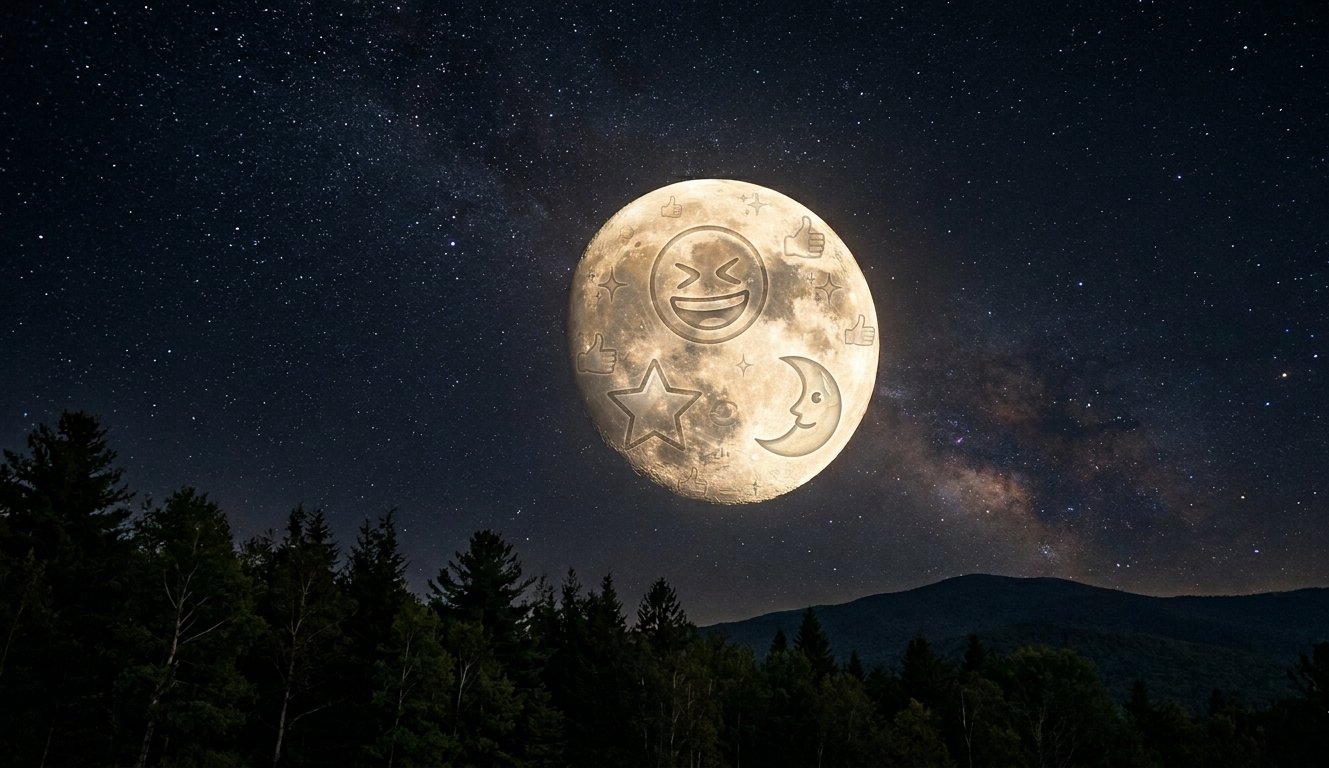
The current moon phase emoji has become a popular symbol in digital communication, helping people express emotions, represent celestial events, and connect with the beauty of the night sky. While many users casually add moon emojis to messages and social media posts, few understand the deeper meanings behind the different moon phase symbols available on modern devices. From the new moon to the full moon, each emoji represents a specific stage in the lunar cycle and carries unique symbolism.
As interest in astronomy, astrology, and nighttime photography continues to grow, moon phase emojis are appearing more frequently across online platforms. Whether someone wants to indicate the current lunar phase, create an aesthetic social media caption, or express a particular mood, these emojis provide a simple yet visually appealing way to communicate.
In this article, we will explore what the current moon phase emoji means, how moon phase emojis correspond to real lunar phases, their common uses, and why they have become such an important part of digital culture.
Understanding the Current Moon Phase Emoji
The current moon phase emoji refers to the moon emoji that matches the moon’s present position in its lunar cycle. The Moon continuously moves through different phases as it orbits Earth, creating the familiar sequence of new moon, crescent moon, quarter moon, gibbous moon, and full moon. Modern emoji sets include symbols for nearly every major phase.
These emojis serve as visual representations of the Moon’s appearance from Earth. For example, a 🌑 emoji represents the new moon, while 🌕 symbolizes the full moon. Between these two extremes are several intermediate phases that show varying amounts of illumination. Many people use these emojis to indicate the current lunar phase during astronomical discussions or moon-related events.
The popularity of moon phase emojis has grown because they combine scientific relevance with artistic appeal. They offer a quick and recognizable way to reference the Moon without requiring lengthy explanations. As a result, they are frequently used by astronomy enthusiasts, astrologers, educators, and casual social media users alike. And therefore, current moon phase emoji is trending these days. And people are curious to know more details about current moon phase emoji.
The Different Moon Phase Emojis and Their Meanings
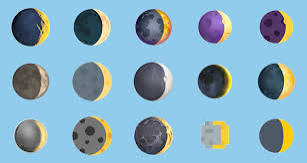
Every moon phase emoji corresponds to a specific stage of the lunar cycle. Understanding these phases helps users select the most appropriate emoji for a given context.
The New Moon emoji represents the beginning of the lunar cycle. During this phase, the Moon is positioned between Earth and the Sun, making its illuminated side largely invisible from our perspective. Symbolically, it often represents new beginnings, fresh starts, and opportunities.
The Waxing Crescent emoji appears when a small illuminated portion becomes visible after the new moon. This phase is commonly associated with growth, progress, and developing ideas. People often use it when discussing personal goals or new projects.
The First Quarter Moon and Waxing Gibbous Moon indicate increasing illumination. These phases symbolize momentum, determination, and advancement toward objectives. Many individuals use these emojis to express motivation and positive progress.
The Full Moon emoji is perhaps the most recognizable moon symbol. It represents completion, abundance, achievement, and heightened energy. Due to its bright appearance, it is widely used in celebrations, nighttime-themed content, and aesthetic social media posts. Current moon phase emoji is the discussion of every GenZ gathering.
After the full moon, the Waning Gibbous, Last Quarter, and Waning Crescent emojis represent reflection, release, and preparation for a new cycle. These symbols often appear in discussions about personal growth, mindfulness, and self-improvement.
Why People Search for the Current Moon Phase Emoji
Many internet users search for the current moon phase emoji because they want to match their online content with the Moon’s actual appearance. This trend has become especially common among social media creators who enjoy incorporating celestial themes into their posts.
Astronomy enthusiasts often check the current lunar phase before sharing observations, photographs, or educational content. Using the correct moon phase emoji helps provide context and improves the accuracy of their posts. It also allows followers to quickly understand the Moon’s current position in the lunar cycle.
Another reason people search for the current moon phase emoji is the growing popularity of astrology and spiritual practices. Many individuals believe different lunar phases influence emotions, decision-making, and personal energy. As a result, they frequently update their social media bios, captions, and journal entries with the corresponding moon emoji.
The aesthetic appeal of moon emojis also contributes to their popularity. Their simple yet elegant appearance fits well with modern design trends, making them a favorite choice for usernames, captions, digital planners, and creative content. Current moon phase emoji is the what people are searching frequently now a days.
How Moon Phase Emojis Are Used in Everyday Communication
Moon phase emojis have evolved far beyond their original purpose of representing astronomical events. Today, they serve a variety of communication functions across different platforms and audiences.
One common use is expressing moods and emotions. For example, the full moon emoji often conveys excitement, confidence, or celebration. Conversely, the new moon emoji may represent mystery, introspection, or quiet reflection. Users naturally associate different moon phases with emotional states, creating a rich layer of visual communication.
Social media influencers frequently use moon phase emojis to enhance the aesthetic quality of their content. Whether paired with nighttime photographs, inspirational quotes, or lifestyle updates, these symbols add a visually appealing element that captures attention and reinforces themes of beauty and wonder.
Moon emojis are also popular in educational contexts. Teachers, science communicators, and astronomy organizations often include them in posts and presentations to illustrate lunar phases. This visual approach makes complex astronomical concepts easier to understand and remember.
Additionally, moon phase emojis are commonly used in event announcements related to astronomy, stargazing, lunar eclipses, and celestial observations. Their presence immediately signals that the content involves the Moon or nighttime sky.
The Connection Between Real Lunar Phases and Emoji Symbols
Although moon phase emojis are simplified illustrations, they closely mirror the actual lunar cycle observed from Earth. This connection makes them valuable tools for both communication and education.
The Moon completes one full lunar cycle approximately every 29.5 days. During this time, sunlight illuminates different portions of its visible surface, creating the phases we observe. Emoji designers have created symbols that correspond to these visual changes, allowing users to represent the Moon’s appearance accurately.
The relationship between real lunar phases and emoji symbols helps bridge the gap between science and everyday communication. Someone who sees a waxing crescent emoji can immediately associate it with a specific stage of lunar development, even if they are not an astronomy expert.
This educational value has become increasingly important as digital communication continues to dominate modern life. By incorporating scientifically accurate symbols into daily conversations, people become more familiar with natural phenomena and develop a greater appreciation for the universe around them.
Furthermore, many weather apps, astronomy platforms, and lunar calendars use moon phase emojis alongside detailed information. This practice makes data easier to interpret and enhances user engagement with scientific content.
Choosing the Right Current Moon Phase Emoji
Selecting the correct current moon phase emoji depends on understanding the Moon’s present stage in its cycle. Fortunately, many websites, astronomy applications, and weather services provide real-time lunar phase information that can be quickly referenced.
When posting about the Moon, using the accurate phase emoji adds credibility and relevance to the content. Astronomy enthusiasts especially appreciate precision, making the correct emoji a useful detail for educational or observational posts.
Beyond scientific accuracy, users can also choose moon emojis based on symbolism and personal expression. A full moon emoji may be ideal for celebrating achievements, while a waning crescent emoji could represent reflection or closure. The flexibility of these symbols allows them to function on both literal and metaphorical levels.
As digital communication becomes increasingly visual, understanding emoji meanings helps individuals communicate more effectively. Moon phase emojis offer a unique combination of beauty, symbolism, and scientific significance that few other emojis can match.
Conclusion
The current moon phase emoji is much more than a decorative symbol. It represents a fascinating connection between astronomy, culture, personal expression, and digital communication. Each moon phase emoji reflects a specific stage in the Moon’s journey around Earth while carrying its own unique symbolism and emotional associations.
Whether used for educational purposes, social media aesthetics, spiritual practices, or everyday conversations, moon phase emojis continue to captivate users around the world. Their ability to combine scientific accuracy with visual appeal has made them an enduring part of modern communication.
As people become increasingly interested in astronomy and celestial events, the popularity of moon phase emojis is likely to continue growing. Understanding their meanings and choosing the appropriate current moon phase emoji can add depth, accuracy, and creativity to online interactions while fostering a greater appreciation for the ever-changing Moon above us.
You Can Also Read: Canva AI Voice Generator

