


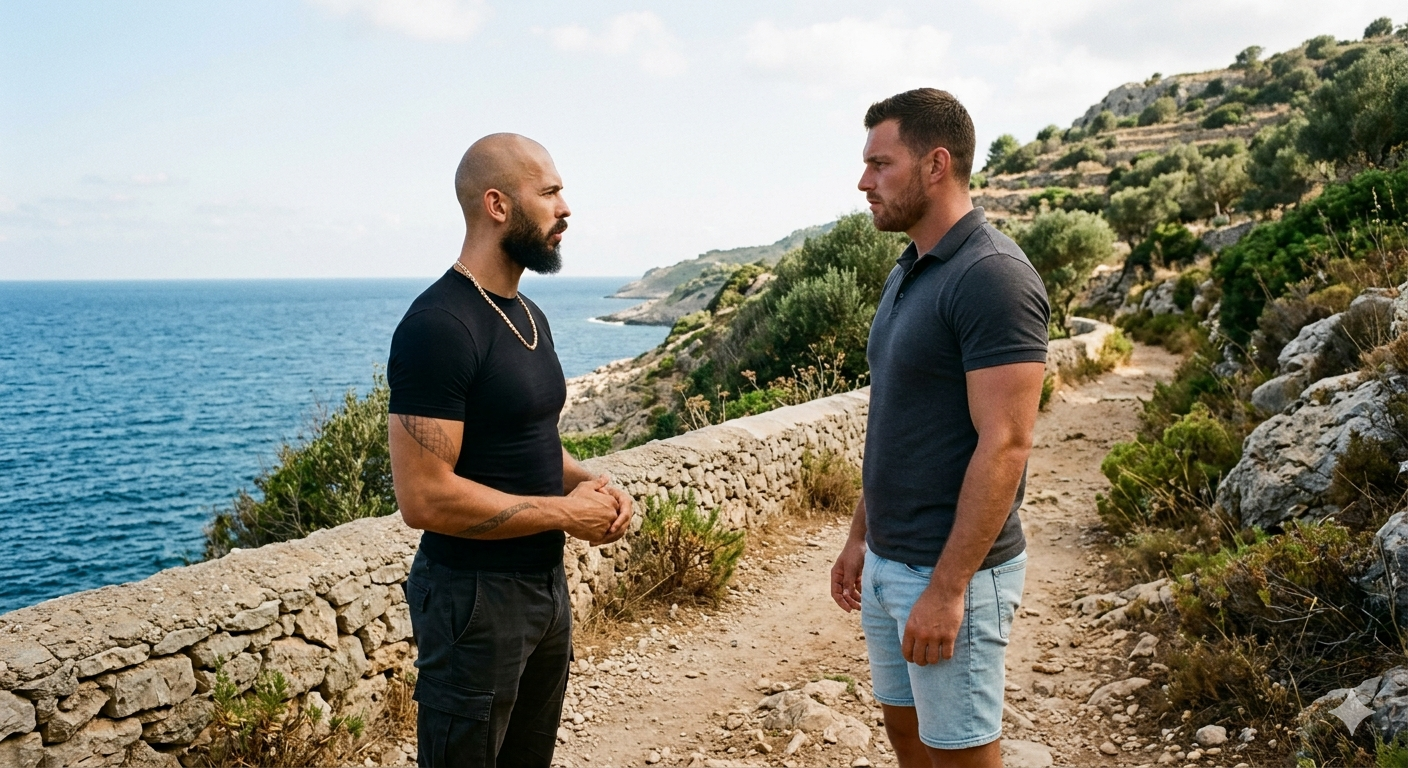
The internet has completely changed how celebrity Andrew Tate vs Chase DeMoor rivalries work. Years ago, feuds mostly happened between athletes, musicians, or actors through interviews and television appearances. Today, online personalities can create massive public attention simply through
podcasts, social media posts, livestreams, or viral clips. One rivalry that has captured attention across social platforms is the growing discussion around Andrew Tate vs Chase DeMoor. Fans from both sides continue debating who is more influential, more successful, physically stronger, or simply more entertaining.
What makes this comparison so interesting is how different these two personalities actually are. On one side, Andrew Tate built his image around confidence, luxury, controversial opinions, business discussions, and combat sports experience. On the other side, Chase DeMoor gained popularity through reality television, fitness content, football, influencer boxing, and social media entertainment. Although their audiences overlap in some ways, they represent very different styles of internet fame.
The rivalry became especially popular because modern audiences love competitive personalities. Social media thrives on conflict, bold opinions, and viral moments. Anytime two outspoken influencers appear connected through arguments, interviews, or potential fights, the internet instantly becomes invested. The phrase “Andrew Tate vs Chase DeMoor” started trending because people enjoy comparing strong personalities with completely different approaches to fame and influence.
Who Is Andrew Tate?
Andrew Tate first became widely known through kickboxing before transforming into one of the internet’s most controversial online personalities. His rise to online fame happened rapidly due to his direct communication style, luxury lifestyle content, and highly debated opinions about success, masculinity, discipline, and relationships.
One reason Tate became so popular is his ability to capture attention. Whether people agree with him or disagree strongly, his clips spread rapidly across TikTok, YouTube, Instagram, and podcasts. He understands how internet algorithms work and often speaks in short, confident statements designed to trigger reactions and conversations.
Beyond controversy, Tate also built an image centered around financial success and self-improvement. Many followers admire his focus on discipline, fitness, confidence, and entrepreneurship. He frequently discusses topics like making money, mental toughness, and escaping average lifestyles. Supporters view him as motivational, while critics argue that many of his opinions are harmful or overly aggressive.
His background in combat sports also contributes to his image. Tate often presents himself as mentally and physically dominant because of his kickboxing achievements and competitive mindset. This strong alpha-style branding plays a huge role in why internet audiences compare him to other confident influencers like Chase DeMoor.
Who Is Chase DeMoor?
Chase DeMoor became popular through social media, fitness content, and reality television appearances. Many people first recognized him from Netflix dating shows, where his confident personality and athletic appearance helped him stand out immediately.
Unlike Andrew Tate’s business-focused online presence, Chase built much of his popularity through entertainment, humor, fitness, and influencer culture. His content often includes gym videos, social interactions, boxing promotions, lifestyle clips, and viral internet moments. He appeals strongly to younger audiences who enjoy energetic and personality-driven content.
Football also played a role in his public image. Chase’s athletic background helped him establish credibility in fitness and sports conversations. His muscular appearance and confident attitude naturally positioned him well within influencer boxing culture, where physical appearance and entertainment value matter heavily.
Over time, Chase became increasingly involved in internet drama, public callouts, and influencer competitions. This naturally led fans to compare him with personalities like Andrew Tate, especially because both individuals project confidence, masculinity, and competitive energy online.
Why the Andrew Tate vs Chase DeMoor Comparison Went Viral
Internet culture loves comparison debates. Audiences constantly compare influencers based on money, fame, appearance, fighting ability, charisma, or social media influence. The Andrew Tate vs Chase DeMoor discussion became popular because both personalities fit into the modern “alpha male” internet image in different ways.
One major factor is confidence. Andrew Tate vs Chase DeMoor present themselves as highly self-assured individuals who enjoy attention and competition. Social media users naturally become curious when two confident personalities exist in similar online spaces because fans begin imagining arguments, debates, or even physical matchups.
Another reason involves influencer boxing culture. The rise of influencer boxing completely changed online entertainment. Fans now regularly speculate about hypothetical fights between internet personalities, even if no official event exists. Since both Andrew Tate and Chase DeMoor have athletic backgrounds, audiences instantly began discussing who would win in a potential match.
The rivalry also reflects different versions of internet masculinity. Tate represents a more aggressive, business-oriented, disciplined image, while Chase represents a younger, entertainment-driven, fitness-focused social media personality. This contrast makes comparisons even more interesting because fans relate differently to each style. Andrew Tate vs Chase DeMoor.
Viral clips and fan edits fueled the trend further. Once TikTok users started posting debates and comparison videos, the rivalry spread quickly across social media platforms where audiences enjoy competitive discussions. Andrew Tate vs Chase DeMoor.
Comparing Their Social Media Influence
Andrew Tate’s influence operates differently from most traditional influencers. His content spreads heavily through reposts, fan pages, podcasts, and reaction clips. Even after facing bans or restrictions on some platforms, his online presence remained massive because people continued discussing his ideas constantly.
Tate’s influence is built largely on controversy and motivation. His audience often includes people interested in business, self-improvement, discipline, luxury lifestyles, and masculinity discussions. Whether positive or negative, his content consistently generates reactions. Andrew Tate vs Chase DeMoor.
Chase DeMoor’s influence relies more heavily on entertainment and personality-driven engagement. His followers typically connect with fitness culture, reality TV audiences, influencer boxing fans, and viral social media trends. His style feels more playful and mainstream compared to Tate’s intense approach.
Another difference is audience behavior. Tate followers often view him almost like a motivational figure or ideological personality, while Chase’s audience mainly engages with him as an entertainer and social media celebrity. Both styles attract millions of views, but for very different reasons.
The comparison highlights how modern internet fame no longer follows one formula. Some influencers grow through controversy and strong opinions, while others succeed through entertainment and personality-driven content.
Could Andrew Tate and Chase DeMoor Fight?
One reason the rivalry continues gaining attention is because fans constantly speculate about a potential fight between the two personalities. Combat sports discussions dominate social media whenever influencers with athletic backgrounds become involved in online drama.
Andrew Tate clearly has the stronger combat sports background. His professional kickboxing experience gives him technical fighting credibility that most influencers simply do not possess. Years of training, discipline, and competition separate trained fighters from casual athletes.
However, Chase DeMoor also brings athletic advantages. His football background, physical size, conditioning, and boxing training make him far more athletic than average influencers. In influencer boxing culture, entertainment, reach, and physicality often matter just as much as technical skill.
Still, many combat sports fans believe Tate’s experience would give him a major advantage in a serious fight scenario. Professional striking experience is difficult to overcome without years of training. Chase’s supporters, however, argue that size, youth, and athleticism could make things competitive.
Even without an actual fight happening, the speculation itself generates millions of views online because audiences enjoy imagining competitive matchups between internet personalities.
The Role of Controversy in Internet Fame
Both Andrew Tate and Chase DeMoor benefit from one major aspect of internet culture: controversy creates attention. Modern social media algorithms reward engagement, and controversial personalities naturally generate reactions, debates, and discussions.
Andrew Tate mastered this strategy through bold opinions and provocative statements that trigger strong responses. Supporters defend him passionately while critics attack him equally passionately. Either way, people continue talking about him constantly.
Chase DeMoor’s controversies are usually more entertainment-focused, involving social media drama, reality TV conflicts, or influencer arguments. His style feels more playful compared to Tate’s serious and ideological controversies.
The internet often rewards personalities who understand how to remain part of online conversations. Both Tate and Chase clearly understand attention economics, even though they approach it differently.
This is why the “Andrew Tate vs Chase DeMoor” discussion continues trending. The rivalry combines competition, masculinity, fame, sports, controversy, and entertainment into one viral internet topic.
Final Thoughts on Andrew Tate vs Chase DeMoor
The growing interest in Andrew Tate vs Chase DeMoor shows how internet culture increasingly revolves around personality-driven entertainment. Audiences today are fascinated by confident influencers who project strength, ambition, and competitive energy online.
Although the two personalities are very different in style and purpose, their comparison works because both represent modern internet masculinity in unique ways. Andrew Tate focuses heavily on discipline, dominance, business success, and controversial opinions, while Chase DeMoor leans more toward entertainment, fitness, reality TV fame, and influencer culture.
Their rivalry also highlights how social media turns even casual comparisons into massive online trends. Fans love debating who is more influential, more entertaining, or physically superior, especially when both individuals already attract large audiences independently.
Whether the rivalry remains a simple internet discussion or eventually grows into something bigger, one thing is certain: audiences are deeply invested in personality clashes between major online figures. In today’s digital world, attention itself has become one of the most powerful forms of entertainment, and both Andrew Tate and Chase DeMoor understand that reality extremely well.
You May Also Read: How to Tame a Silver Fox Full Movie

