


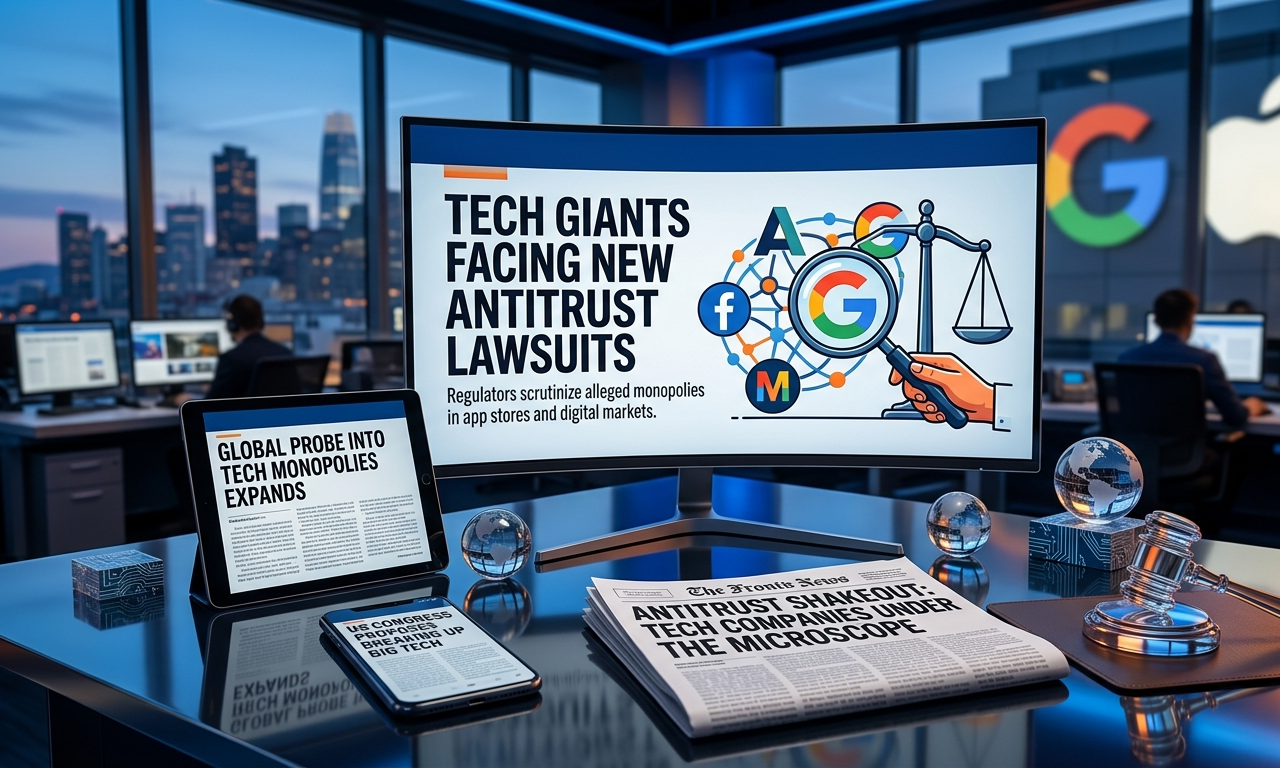
Understanding Antitrust Tech News in the Technology Industry
The technology industry has become one of the most powerful sectors in the modern world. From search engines and social media platforms to online shopping and cloud computing, large tech companies influence how people communicate, work, shop, and consume information every day. As these companies continue to grow, governments and regulators are paying closer attention to their market power. This is where antitrust tech news becomes an important topic for businesses, consumers, and investors alike.
Antitrust laws are designed to prevent companies from becoming too dominant in a market. The main goal is to encourage fair competition and protect consumers from unfair business practices. In the tech industry, regulators often investigate whether major companies are using their size and influence to block competitors, control pricing, or limit innovation. Over the past few years, antitrust cases involving tech giants have become regular headlines across the world.
The rise of digital platforms has made antitrust discussions more complex than ever before. Traditional antitrust laws were originally designed for industries like oil, railroads, and manufacturing. However, modern technology companies operate differently. Many offer free services while earning revenue through advertising, user data, or subscriptions. Because of this, regulators are still figuring out how to apply competition laws effectively in the digital era.
Why Big Tech Companies Are Being Investigated
One of the biggest reasons for increased antitrust scrutiny is market dominance. Companies that control large portions of online advertising, e-commerce, app stores, or social networking often face accusations of unfair competition. Critics argue that some tech firms make it extremely difficult for smaller businesses to compete fairly in the market.
Another issue involves acquisitions. Large technology companies frequently purchase smaller startups, sometimes before those startups become major competitors. Regulators worry that these acquisitions reduce competition and allow dominant firms to maintain their control over the industry. While acquisitions can sometimes improve innovation and efficiency, they can also prevent emerging companies from challenging industry leaders.
Data control is also becoming a major concern in antitrust tech news. Tech companies collect enormous amounts of user information, giving them valuable insights into consumer behavior. Some regulators believe this data advantage creates an unfair competitive edge. Since smaller companies often lack access to similar amounts of data, they struggle to compete with established technology giants that already dominate the digital landscape. The Antitrust Tech News is the most import news of today.
The Role of Governments in Antitrust Tech News
Governments around the world are taking stronger action against large technology companies. In the United States, federal agencies and lawmakers have launched investigations into major firms over concerns related to monopolistic behavior and anti-competitive practices. Similar actions are happening in Europe, Asia, and other regions as regulators attempt to create fairer digital markets.
The European Union has become especially aggressive in regulating technology companies. European regulators have imposed heavy fines and introduced stricter digital competition rules aimed at preventing abuse of market power. These efforts focus on increasing transparency, improving consumer choice, and limiting unfair business advantages that dominant platforms may have.
Governments are also debating whether existing antitrust laws are strong enough for the digital age. Some policymakers believe current regulations are outdated and need modernization to address issues involving artificial intelligence, online advertising, app marketplaces, and digital ecosystems. This ongoing debate ensures that antitrust tech news will remain an important subject for years to come.
How Antitrust Cases Affect Consumers / Antitrust Tech News
Many people assume antitrust cases only impact large corporations, but consumers are deeply affected as well. When competition decreases, consumers may face fewer choices, higher prices, or lower-quality services. Regulators argue that strong competition encourages companies to improve products, innovate faster, and provide better customer experiences.
At the same time, some consumers enjoy the convenience provided by large tech ecosystems. For example, many platforms integrate multiple services together, making life easier for users. Critics of aggressive antitrust action sometimes argue that breaking up or heavily regulating technology companies could reduce convenience and slow innovation. This creates an ongoing debate between maintaining competition and preserving user-friendly digital experiences.
Privacy is another area where consumers are impacted. Companies with large amounts of market power often collect massive amounts of personal data. Regulators believe stronger competition may encourage companies to improve privacy protections and give users more control over their information. As privacy concerns continue growing, antitrust discussions increasingly overlap with digital rights and consumer protection issues.
Antitrust Tech News and Artificial Intelligence
Artificial intelligence has added a completely new dimension to antitrust discussions. Major technology companies are investing billions of dollars into AI development, cloud computing, and machine learning infrastructure. Since AI requires enormous computing power and access to large datasets, smaller companies may struggle to compete against established tech giants.
Some experts worry that a small number of companies could dominate the AI industry in the same way certain firms currently dominate search engines or social media. Regulators are beginning to examine whether partnerships, investments, and exclusive agreements in the AI sector could reduce future competition. This has made AI-related antitrust investigations one of the fastest-growing topics in tech news.
There are also concerns about AI-driven advertising and recommendation systems. Large platforms use advanced algorithms to influence what users see online, including advertisements, news, videos, and shopping suggestions. Regulators want to ensure these systems do not unfairly favor a company’s own products or services while limiting exposure for competitors.
Challenges Regulators Face in the Digital Economy
Regulating technology companies is not easy. One major challenge is defining what actually counts as a monopoly in the digital world. Traditional industries often compete based on price, but many online services are technically free for users. Instead of charging money directly, companies earn profits through advertising and user engagement.
Another challenge involves innovation speed. Technology evolves much faster than government regulations. By the time regulators investigate one issue, the market may already have shifted toward new technologies and business models. This makes it difficult for lawmakers to create rules that remain effective over time.
Global operations also complicate enforcement. Large technology companies operate across multiple countries and legal systems simultaneously. A company may face restrictions in one region while continuing different practices elsewhere. Because of this, international cooperation between regulators is becoming increasingly important in antitrust tech news discussions.
The Business Impact of Antitrust Investigations
Antitrust investigations can significantly affect technology companies financially and strategically. Legal battles often lead to large fines, policy changes, and public scrutiny. Investors closely monitor these cases because government actions can influence company growth, stock performance, and future business opportunities.
Companies facing antitrust pressure may also change how they operate. Some firms adjust app store policies, advertising systems, or data collection practices to avoid additional legal challenges. Others increase transparency or create new compliance departments focused on regulatory requirements. These changes can reshape entire industries over time.
Smaller companies and startups are also watching these developments carefully. Some entrepreneurs believe stronger antitrust enforcement creates more opportunities for innovation by reducing barriers to entry. If dominant firms face stricter limitations, emerging businesses may have a better chance to compete and attract customers.
The Future of Antitrust Tech News
Antitrust issues in technology are not slowing down anytime soon. As digital services continue expanding into areas like artificial intelligence, virtual reality, cloud computing, and smart devices, regulators will likely increase oversight of major technology companies. Governments want to ensure innovation continues without allowing a small number of corporations to control entire industries.
Future antitrust discussions may focus more heavily on data ownership, AI infrastructure, digital advertising, and platform interoperability. Regulators are increasingly interested in giving users more freedom to switch services without losing data or functionality. This could lead to major changes in how digital platforms interact with each other.
Public awareness is also growing rapidly. Consumers today are more informed about privacy, competition, and digital rights than ever before. As a result, antitrust tech news is becoming more mainstream and influential. Technology companies must now balance growth and innovation with increasing public and regulatory expectations.
Conclusion
Antitrust tech news has become one of the most important topics in the global technology industry. Governments, regulators, businesses, and consumers are all paying close attention to how large technology companies use their power and influence. Questions surrounding competition, data control, acquisitions, artificial intelligence, and consumer rights are shaping the future of digital markets worldwide.
While technology companies have created incredible innovations that transformed modern life, concerns about monopolistic behavior continue growing. Regulators aim to maintain fair competition without slowing technological progress, but achieving that balance remains challenging. The debate is complex because consumers benefit from convenience and innovation while also needing protection from unfair practices.
As digital technology continues evolving, antitrust discussions will remain at the center of the industry. Whether through stricter regulations, new laws, or global cooperation, governments are clearly signaling that competition in the tech world matters more than ever. For businesses and consumers alike, understanding antitrust tech news is essential for keeping up with the future of the digital economy.
You May Also Read: Schoology Alfa

