


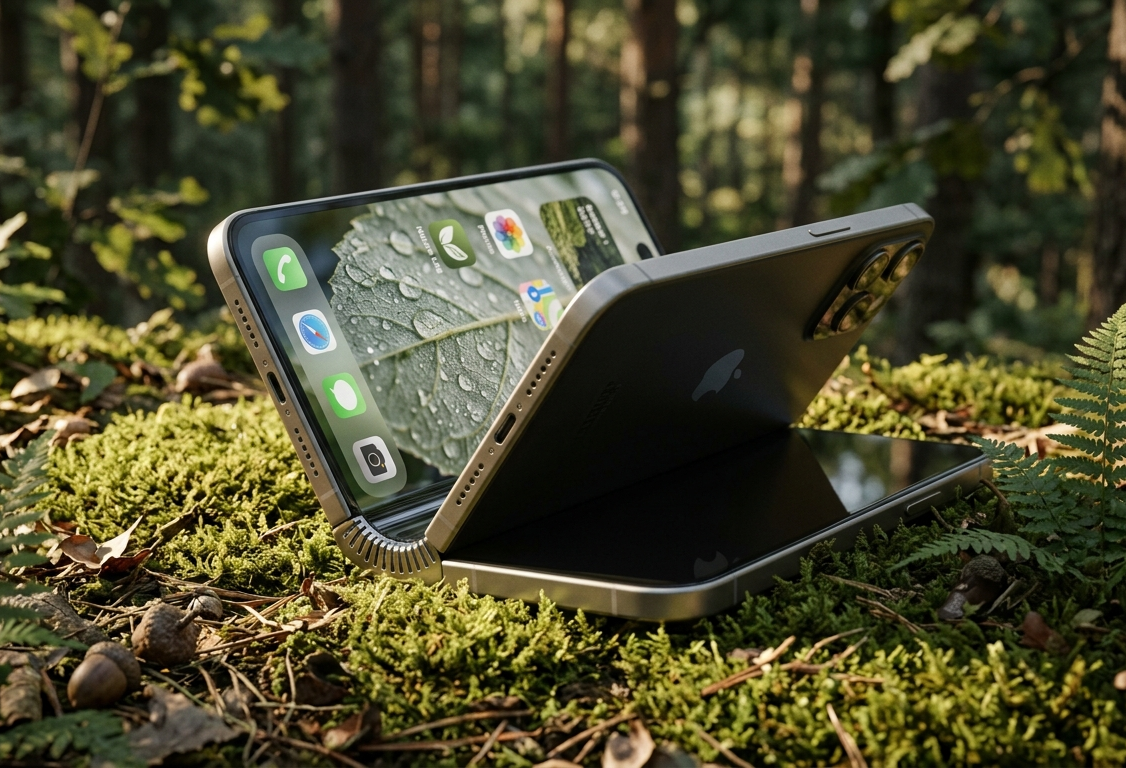
The smartphone industry has changed dramatically over the last few years, especially with the rise of foldable devices. Companies like Samsung, Huawei, and Google have already entered the foldable market with devices that transform from regular smartphones into mini tablets. Despite all these developments, one company has remained noticeably quiet: Apple. That silence has only increased curiosity surrounding the rumored “iPhone Fold,” which many believe could become one of the biggest smartphone launches in recent years.
For years, rumors about a foldable iPhone have circulated online through leaks, patents, industry reports, and insider discussions. Apple fans continue waiting to see whether the company will finally introduce a foldable device capable of competing with modern foldable phones already dominating headlines. The excitement around the iPhone Fold is not simply about having a folding screen. People expect Apple to completely refine and reinvent the foldable experience in a way that feels polished, premium, and practical.
Apple has always approached new technology differently compared to competitors. The company rarely rushes into trends early. Instead, Apple often studies existing technology, waits for improvements, and then launches a more refined version later. This strategy worked with smartwatches, tablets, wireless earbuds, and even smartphones themselves. That is why many technology experts believe Apple is carefully preparing a foldable device that focuses heavily on quality, durability, and user experience rather than simply releasing something quickly.
Why Foldable Phones Became So Popular
Foldable smartphones became popular because they solve one major problem users have faced for years: screen size limitations. People want larger displays for gaming, streaming, multitasking, and productivity, but they also want phones that remain portable enough to fit inside pockets comfortably.
Traditional smartphones forced users to choose between portability and screen size. Foldable devices changed that completely. Users can carry a compact phone that unfolds into a larger display whenever needed. This flexibility immediately attracted tech enthusiasts and power users who wanted more functionality without carrying tablets separately.
Another reason foldables gained attention is innovation fatigue within the smartphone industry. For several years, most new smartphone releases felt very similar. Slight camera upgrades or faster processors no longer created the same excitement as earlier smartphone generations. Foldable devices introduced something visually different and futuristic again, helping companies generate fresh excitement around mobile technology.
Social media also contributed heavily to foldable phone popularity. People love showcasing unique gadgets online, and foldable devices naturally attract attention because they look different from ordinary smartphones. Videos of screens folding open or transforming into tablet-like devices quickly became viral across platforms like TikTok, Instagram, and YouTube.
Why Apple Waited So Long to Enter the Foldable Market
Many people wonder why Apple delayed entering the foldable market while competitors released multiple generations of foldable phones already. The answer likely comes down to Apple’s obsession with refinement and long-term reliability.
Foldable devices still face several technical challenges. Screen creases, hinge durability, battery limitations, software optimization, and repair costs remain common concerns even with modern foldables. Apple is known for prioritizing polished user experiences, so releasing an imperfect foldable device would conflict with the company’s reputation for premium quality.
Another reason involves consumer expectations. Apple customers expect devices to feel smooth, durable, and easy to use. A foldable iPhone cannot simply look impressive; it must work reliably for years under daily use. Apple likely spent significant time testing display materials, hinge mechanisms, and software behavior before considering a public launch.
The company also tends to enter markets only when it sees strong long-term potential. Foldable phones initially felt experimental, but recent market growth suggests foldables are becoming more mainstream. As technology improves and production costs decrease, Apple may now see foldables as a stable future category rather than a temporary trend.
Additionally, Apple’s ecosystem strategy matters heavily. The company wants all devices to work together seamlessly. A foldable iPhone would need strong integration with iOS, iPads, Macs, Apple Watches, and other products to deliver the premium ecosystem experience Apple users expect.
What the iPhone Fold Could Look Like
Although Apple has not officially revealed it, leaks and industry speculation suggest several possible designs. Most rumors indicate Apple may choose a book-style foldable similar to larger foldable phones already available in the market. This design would allow the phone to open into a tablet-sized display for multitasking and media consumption.
Another possibility is a clamshell foldable design similar to compact flip phones. This style focuses more on portability than productivity, allowing users to carry a smaller folded device that opens into a normal smartphone screen size.
Many analysts believe Apple will prioritize reducing the visible screen crease, which remains one of the biggest criticisms of foldable phones today. If Apple successfully minimizes or hides the crease better than competitors, it could instantly make this Fold feel more premium and polished.
Material quality will likely play a huge role as well. Apple typically emphasizes aluminum, titanium, glass, and premium finishes in its devices. The hinge mechanism could become one of the standout engineering features if Apple introduces a smoother, stronger, and more durable folding system than competitors currently offer.
Battery optimization will also be extremely important. Foldable phones require larger batteries because of their bigger displays, but users still expect slim and lightweight devices. Apple’s chip efficiency may help solve some of these challenges more effectively than other manufacturers.
How the iPhone Fold Could Change User Experience
The iPhone Fold has the potential to completely change how people use smartphones daily. Larger foldable displays allow users to multitask more comfortably, turning phones into mini productivity devices rather than simple communication tools.
Imagine watching videos while replying to messages simultaneously or editing documents on a screen much larger than a traditional iPhone display. Foldable devices create new possibilities for mobile work, entertainment, gaming, and creativity.
Gaming could improve significantly on foldable iPhones. Mobile games increasingly feature console-quality graphics and advanced controls. A larger display would create a much more immersive gaming experience while still allowing portability.
Video streaming and social media consumption would also benefit heavily. Platforms like TikTok, YouTube, Netflix, and Instagram dominate smartphone usage today. A foldable screen creates a more tablet-like viewing experience without requiring users to carry multiple devices.
Apple may also introduce unique multitasking features within iOS specifically designed for foldable displays. Split-screen apps, floating windows, advanced gestures, and optimized app layouts could make the iPhone Fold feel fundamentally different from traditional smartphones.
The Biggest Challenges Apple Faces
Despite the excitement, creating a successful foldable iPhone comes with serious challenges. Durability remains the biggest concern across the foldable industry. Users expect iPhones to last several years, and foldable mechanisms naturally involve more moving parts that may wear down over time.
Pricing is another major issue. Foldable phones are expensive because flexible displays and advanced hinge systems cost significantly more to manufacture. If Apple releases an iPhone Fold, many experts expect it to become one of the most expensive iPhones ever made.
Software optimization also matters heavily. Apps need to adapt smoothly when users switch between folded and unfolded modes. Poor app optimization could ruin the user experience even if the hardware itself feels impressive.
Battery life presents another challenge. Larger displays consume more power, but users still expect all-day battery performance. Apple must balance display size, weight, thickness, and battery capacity carefully.
Competition is becoming stronger too. Companies like Samsung continue improving foldable technology each year. By the time Apple enters the market, competitors may already have several additional generations of refinement behind them.
Could the iPhone Fold Redefine the Foldable Market?
Many technology analysts believe Apple’s entry into foldables could dramatically expand the entire category. Apple products often influence mainstream consumer behavior because the company has massive global brand loyalty and marketing power.
Some people remain hesitant to buy foldable devices because they view them as experimental or unreliable. However, if Apple launches a foldable iPhone successfully, it may convince millions of mainstream users that foldables are finally practical and trustworthy.
Developers would likely begin optimizing apps more seriously for foldable screens as well. Apple’s ecosystem influence could encourage broader software support across the industry.
The iPhone Fold may also inspire competitors to innovate faster. Whenever Apple enters a market segment, competition usually intensifies because rival companies attempt to match or exceed Apple’s execution quality.
Most importantly, Apple could help normalize foldable devices in everyday life. Instead of being viewed as futuristic luxury gadgets, foldables may eventually become standard smartphones for many users worldwide.
Final Thoughts on the iPhone Fold
The rumored iPhone Fold represents far more than just another smartphone release. It symbolizes the next major evolution in mobile technology and reflects how smartphone design continues changing to meet modern user demands.
Foldable devices already proved that people want larger, more flexible screens without sacrificing portability. However, many consumers still wait for a foldable phone that feels truly polished, durable, and practical for long-term everyday use. That is exactly why expectations surrounding Apple’s foldable plans remain incredibly high.
Apple’s history suggests the company prefers perfecting technology rather than rushing trends. If the iPhone Fold eventually launches, it will likely focus heavily on durability, user experience, software optimization, and premium design quality.
Whether it arrives next year or later, the excitement surrounding the iPhone Fold shows how eager consumers are for meaningful smartphone innovation again. In a market where yearly upgrades often feel repetitive, foldable technology offers something genuinely new and exciting. If Apple successfully enters this category, the foldable smartphone industry could change dramatically forever.
You May Also Read: XHA

