


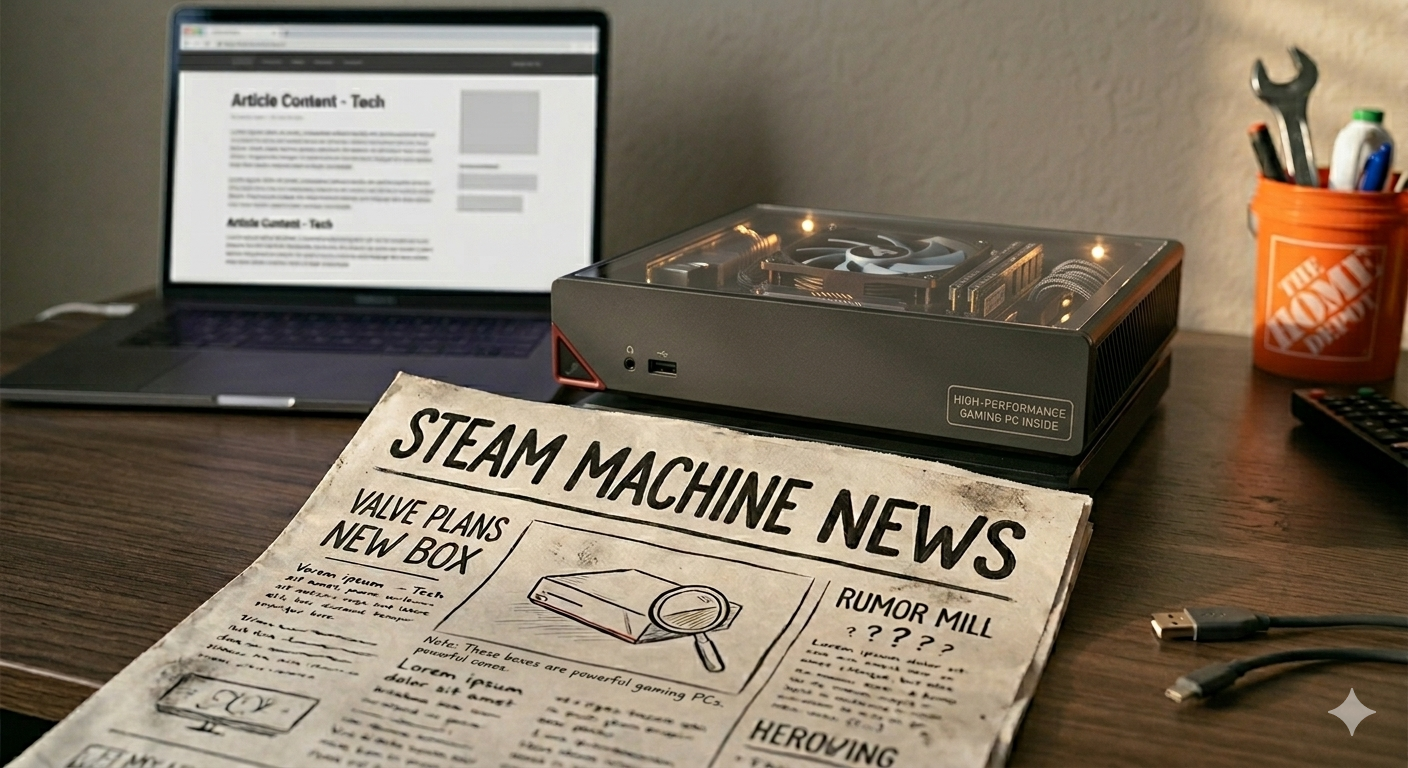
The gaming industry changes rapidly, but some ideas never completely disappear. One topic that continues to attract attention among gaming enthusiasts is Steam Machine news. Years after the original Steam Machines struggled to become mainstream, gamers and tech fans still discuss whether the concept could eventually make a major comeback. With portable gaming devices, Linux-based gaming systems, cloud gaming, and console-style PCs becoming more popular again, interest surrounding Steam Machines has quietly returned.
Originally introduced by Valve, Steam Machine News were designed to bridge the gap between console gaming and PC gaming. The idea sounded exciting at the time. Players could enjoy the power and flexibility of PC gaming while sitting comfortably on a couch using a controller, similar to a traditional console experience. Instead of building expensive gaming PCs manually, users could buy compact pre-built systems optimized specifically for gaming through the Steam platform.
Although the first generation of Steam Machine News did not achieve massive commercial success, many people now believe the concept may have arrived too early. Gaming technology and consumer habits have changed dramatically since then. Devices like the Steam Deck proved that Linux-based gaming hardware can succeed when designed properly. As a result, recent Steam Machine news has sparked renewed conversations about whether Valve could revisit the idea with stronger hardware, better software support, and a more mature gaming ecosystem.
What Were Steam Machines Originally?
Steam Machine News were gaming PCs created through partnerships between Valve and multiple hardware manufacturers. Instead of one standard console-like device, different companies produced various Steam Machine models with different specifications, prices, and designs.
The main goal was to create living-room-friendly gaming systems powered by SteamOS, Valve’s Linux-based operating system. Users could access their Steam game libraries without needing traditional Windows installations. The systems were designed to feel simpler and more console-like than ordinary gaming PCs.
One major selling point involved flexibility. Unlike traditional consoles with locked hardware, Steam Machines offered upgradeable components and open PC gaming functionality. Gamers could potentially enjoy better graphics, modding support, larger game libraries, and cheaper game prices compared to standard consoles.
Valve also introduced the Steam Controller alongside the Steam Machine News. The controller featured unique touchpads designed to make mouse-and-keyboard-style games playable from a couch. While innovative, the unusual design divided opinions among gamers because it felt very different from traditional console controllers.
Despite the ambitious vision, Steam Machine News struggled commercially for several reasons. High prices, inconsistent hardware standards, limited Linux game compatibility, and consumer confusion prevented widespread adoption at the time.
Why Steam Machines Struggled Initially
One major reason Steam Machine News failed to gain traction was timing. When the original devices launched, Linux gaming support was still relatively weak. Many major PC games simply did not run properly on Linux systems without complicated workarounds.
This created a frustrating experience for gamers expecting plug-and-play simplicity similar to consoles. Buyers discovered that some games worked perfectly while others faced compatibility issues, performance problems, or lacked support entirely.
Pricing also became a serious issue. Many Steam Machines cost nearly as much as high-end gaming PCs while competing directly against cheaper consoles like PlayStation and Xbox systems. Casual gamers often struggled to justify spending significantly more money for an unfamiliar platform.
Another problem involved branding confusion. Consumers did not fully understand whether Steam Machines were consoles, PCs, or something in between. Unlike PlayStation or Xbox, which offered clear standardized experiences, Steam Machines varied heavily depending on manufacturer specifications.
Windows gaming dominance created additional challenges. Most PC gamers already used Windows comfortably and saw little reason to switch operating systems for gaming purposes. Linux gaming simply lacked the convenience and compatibility needed to attract mainstream audiences at that time.
The Steam Controller also became controversial because its unconventional design required adjustment. Some players loved its customization and precision, while others preferred traditional analog sticks and button layouts.
Why Steam Machine News Is Trending Again
Interest in Steam Machine news increased significantly after the success of the Steam Deck. Valve proved that Linux-based gaming hardware could become popular when software optimization and user experience improve dramatically.
The Steam Deck changed public perception about portable PC gaming. Many gamers who previously doubted Linux gaming suddenly discovered that modern compatibility layers like Proton allowed thousands of Windows games to run surprisingly well on Linux systems.
This success reignited conversations about home-based Steam Machines. If Valve could create a smooth handheld gaming experience using Linux, many fans wondered whether modern living-room Steam Machines might finally succeed too.
Gaming habits also evolved over time. More players now prefer flexible gaming ecosystems instead of being locked into specific consoles. Cross-platform gaming, cloud saves, game subscriptions, and digital libraries made open gaming environments more attractive than ever.
Another factor is rising console prices and PC hardware improvements. Compact gaming PCs became smaller, quieter, and more powerful over recent years. Modern hardware could potentially deliver console-like convenience while maintaining PC flexibility much better than earlier Steam Machines managed.
Additionally, gamers increasingly appreciate customizable ecosystems. Many players want systems supporting mods, multiple storefronts, controller flexibility, streaming, and open software environments. These strengths align naturally with the original Steam Machine philosophy.
The Impact of the Steam Deck on Valve’s Strategy
The Steam Deck may represent Valve’s most important hardware success in years. Unlike the original Steam Machines, the handheld device solved many problems that hurt earlier Linux gaming systems.
Valve heavily invested in Proton compatibility technology, allowing Windows games to run smoothly on Linux without developers needing to create separate Linux versions manually. This dramatically improved game availability compared to earlier SteamOS generations.
User experience also improved significantly. The Steam Deck feels polished, streamlined, and consumer-friendly. Valve learned important lessons about hardware-software integration, optimization, and gaming convenience that could influence future Steam Machine development.
Another important difference is standardization. Unlike the original Steam Machine ecosystem involving multiple manufacturers and inconsistent hardware, the Steam Deck provides one clear hardware target for developers and optimization efforts.
The success of portable PC gaming also proved that many gamers care more about flexibility than raw power alone. Players appreciate access to large libraries, mod support, portable gaming, and open ecosystems rather than only chasing maximum graphical performance.
Valve’s improved reputation in gaming hardware creates stronger trust as well. Years ago, many consumers viewed Steam Machines as experimental. After the Steam Deck’s success, gamers may feel more confident about future Valve hardware projects.
Could Modern Steam Machines Compete With Consoles?
A modern Steam Machine would face strong competition from consoles like Sony’s PlayStation and Microsoft’s Xbox systems. However, the gaming landscape looks very different today compared to the original Steam Machine launch period.
Modern gamers increasingly value game libraries, backward compatibility, and cross-platform ecosystems. Steam already dominates PC gaming digitally, giving Valve enormous advantages in software distribution and community support.
A successful modern Steam Machine would likely focus heavily on simplicity. Consumers want systems that work immediately without technical complications. Valve would need to deliver console-like convenience while preserving PC flexibility behind the scenes.
Pricing remains critical too. If a future Steam Machine costs too much compared to consoles, mainstream adoption would remain difficult. However, compact PC hardware became more affordable and efficient over time, potentially improving price competitiveness.
Cloud gaming and streaming technology could also help future Steam Machines. Integration with streaming services, remote play, and cross-device gaming could create a broader ecosystem connecting handheld devices, desktop PCs, and living-room gaming systems together.
Valve may also benefit from shifting gamer attitudes. Many players now prefer open ecosystems rather than exclusive console restrictions. Steam Machines naturally fit that philosophy because they combine PC freedom with console accessibility.
Why PC Gaming Keeps Growing
The renewed attention around Steam Machine news reflects a larger trend: PC gaming continues growing globally. For years, some analysts predicted consoles would dominate permanently, but PC gaming remained incredibly strong thanks to flexibility and constant innovation.
One major advantage involves game pricing. Steam sales, bundles, and digital discounts often make PC gaming more affordable long-term compared to console ecosystems. Players can build massive libraries over time at lower costs.
Performance flexibility matters too. PC gamers can adjust graphics settings, upgrade components, use mods, and customize experiences far more extensively than console users. This freedom appeals strongly to gaming enthusiasts.
Online communities also thrive heavily on PC platforms. Modding communities, esports, streaming, content creation, and multiplayer gaming ecosystems all benefit from PC openness and customization.
Valve understands these strengths deeply. Steam Machines originally attempted to make PC gaming more accessible for mainstream audiences. Although the first attempt struggled, modern technology may finally allow that vision to work more effectively.
Final Thoughts on Steam Machine News
The growing interest in Steam Machine news shows that the original idea behind Valve’s gaming hardware vision never truly disappeared. While the first generation of Steam Machines failed to become mainstream, many of the underlying concepts now feel more relevant than ever.
The gaming world changed dramatically since the original launch. Linux compatibility improved significantly, compact gaming hardware became more powerful, and gamers increasingly value flexible ecosystems over locked platforms. Most importantly, the success of the Steam Deck proved that Valve can create gaming hardware people genuinely enjoy using.
A future Steam Machine would still face serious challenges involving pricing, competition, software optimization, and consumer expectations. However, Valve now has far more experience and technological maturity compared to its first attempt years ago.
Whether Valve officially revives the Steam Machine brand or not, the influence of its original vision remains visible throughout modern gaming. The line between consoles and PCs continues becoming smaller, and gamers increasingly want the best features from both worlds.
That idea was always at the heart of Steam Machines from the beginning.
You May Also Read: Trey Whiteley Used Truck Problems

